Song Meaning
The lyrics paint a picture of intense, almost overwhelming desire, juxtaposed with a sense of existential questioning. The narrator grapples with a powerful urge, wanting to "drink up all the water" and "drown," suggesting a surrender to sensation or perhaps an escape from a present reality. This is immediately followed by a feeling of being unseen, a stark contrast to the overwhelming internal experience. The tone is one of both desperate longing and a quiet, internal struggle.
The central tension arises from the narrator's internal state versus an external observation or relationship. The phrase "You say that your heart's a wanderer" introduces another perspective, one that seems detached or transient. This contrasts with the narrator's desire for immersion and perhaps permanence, underscored by the questions "Where has all the time gone?" and "Where has all the fire gone?" These questions hint at a loss or a fading of passion, both personally and perhaps in the relationship.
The most striking element is the shift from personal struggle to a cosmic, almost spiritual awe. The lines "Of earth and its timely delights / Isn't it divine that we've made it here" offer a moment of profound appreciation for existence itself, even after the earlier feelings of drowning and loss. This is further amplified by "Waiting through a pool of star tears / To embrace, to embrace / Holy rage." This imagery suggests a long, perhaps painful, cosmic journey culminating in an intense, almost violent, emotional release or awakening.
This piece is effective because it moves from a deeply personal, almost claustrophobic feeling of wanting to disappear to a grand, universal sense of wonder and catharsis. The juxtaposition of "drown" and "holy rage," "lonely roads" and "star tears," creates a powerful emotional arc. It captures that feeling of being overwhelmed by life's intensity, questioning its passage, and then finding a profound, almost violent, beauty in simply existing.
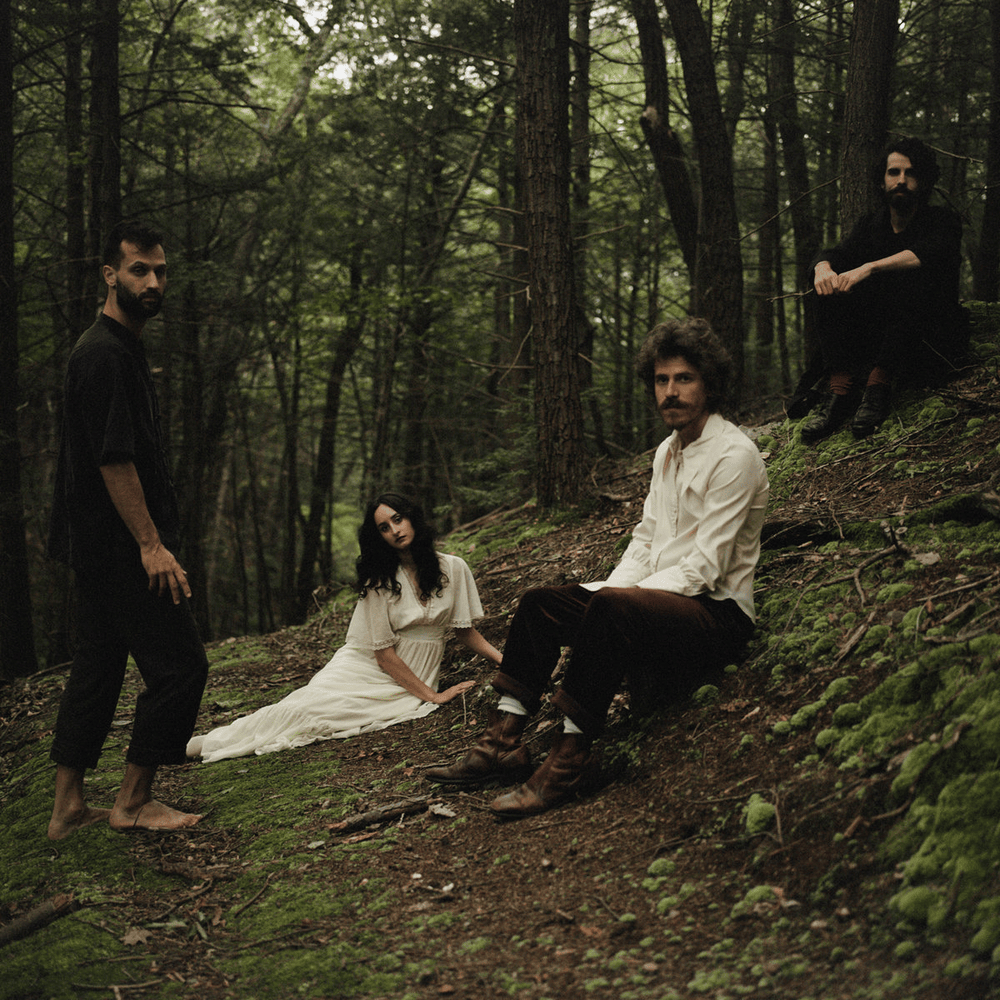
 View Artist