Song Meaning
The lyrics paint a stark picture of immobility contrasted with the freedom of flight. The opening lines, "Cloué au sol / L'oiseau se cogne de-ci / De-là colonies de cigognes / Partez sans lui," immediately establish a sense of being grounded, watching others depart. This initial image sets a tone of wistful observation, highlighting a profound disconnect between the stationary and the mobile.
The central tension emerges from the recurring refrain: "Quoiqu'on dise / Étonnants vos numéros de voltige / À l'air libre / Les oiseaux ont eux aussi le vertige." This phrase suggests that even those who appear effortlessly free, performing "astonishing aerial feats," are not immune to the disorientation and fear that comes with great height or risk. The narrator seems to be grappling with the idea that perceived freedom might be an illusion, or at least accompanied by its own set of anxieties.
A striking shift occurs in the second verse, introducing a different figure: "Que fait cet homme clopin / Clopant des brunes / Plein d'amertume." This man, smoking cheap cigarettes and filled with bitterness, seems as stuck as the grounded bird. The lyrics then repeat the refrain, now referring to "leurs numéros de voltige," implying that this man, too, might experience a form of "vertigo" in his own life, despite his apparent lack of grand movement. The parallel between the grounded bird and the bitter man, both seemingly trapped, is potent.
Ultimately, the effectiveness of these lyrics lies in their subtle, yet powerful, equation of physical immobility with a psychological state of unease. The repeated motif of "vertige" applied to birds in flight and, by extension, to a man mired in bitterness, suggests that a sense of disorientation and fear isn't exclusive to those who dare to soar. It’s a quiet observation that the feeling of being overwhelmed or unsteady can permeate any existence, whether one is grounded or airborne.
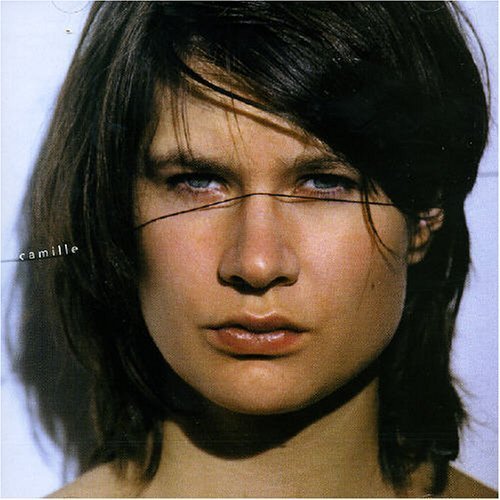
 View Artist