Song Meaning
The lyrics paint a stark picture of a fragile state, opening with the image of someone asleep, hair wet, arms folded, finding themselves with an open window and the air coming in. This immediate scene feels vulnerable, almost like a surrender. The repeated refrain, "Pour que l'amour me quitte" (So that love leaves me), sets a tone of desperate resignation, a wish for an ending that feels both sought after and inevitable.
The central tension arises from the contrast between the passive, almost dreamlike state of the verses and the active, forceful desire expressed in the chorus. The dream of "milles lianes" (a thousand vines) and the act of "pagayé" (paddling) suggest a struggle or a journey, perhaps an attempt to escape or navigate something. Yet, this effort is juxtaposed with the overwhelming desire for love to depart, creating a push-and-pull between internal experience and external longing.
The most striking shift occurs in the third verse, revealing a stark, clinical setting: "Réveillée, la lumière pâle / Des murs de l'hôpital" (Awake, the pale light / Of hospital walls). This abrupt transition from a more ambiguous vulnerability to a concrete, perhaps medical, crisis underscores the severity of the narrator's emotional state. The line "Trop aimer c'est pas normal" (Loving too much isn't normal) directly links intense affection to a state of being unwell, framing love itself as a potentially destructive force.
This lyrical construction is effective because it moves from a generalized sense of unease to a specific, almost physical manifestation of emotional pain. The repetition of the desire for love to leave, coupled with the stark imagery of the hospital, suggests that the narrator is seeking an end to a consuming passion that has brought them to a breaking point. The final, almost whispered "Amour" feels like a last, exhausted acknowledgment of the very thing they wish to escape.
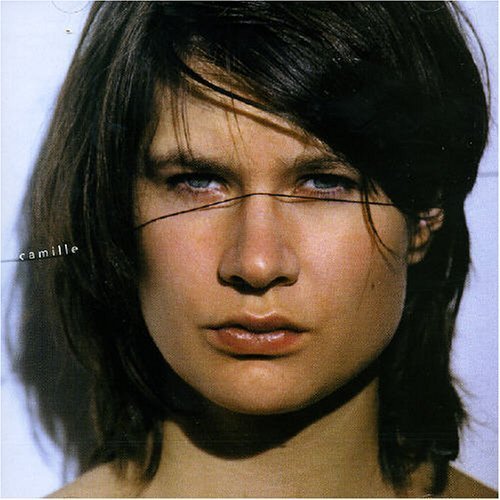
 View Artist