Song Meaning
The lyrics paint a stark picture of absence and finality, beginning with a dreamlike longing for a lost subject. The narrator is caught in "lost hours," a state of reverie, only to be jolted by a profound silence. The street, usually alive, is "dead," the hotel "quiet," and even the birds have fallen silent. This pervasive stillness suggests a world frozen in grief or emptiness.
The central tension arises from the contrast between the narrator's internal yearning and the external desolation. The repetition of "Je rêve à toi / À mes heures perdues" grounds the emotional core in a persistent, almost obsessive, memory. This private longing is met by an overwhelming public quietude, amplifying the sense of isolation.
The most striking craft element is the personification of the street and the hotel as if they, too, are mourning or have given up. The "volets rabattus" (shutters drawn) and the "oiseaux se sont tus" (birds have fallen silent) are potent images of withdrawal and cessation. The shift from a personal dream to the impersonal "la poste ce matin" (the mail this morning) delivers a crushing blow of definitive news: "Tu ne reviendras plus" (You will not return).
This lyrical construction is effective because it externalizes an internal void. The silence isn't just a lack of sound; it's a palpable presence mirroring the narrator's loss. The mundane detail of the mail becomes the vehicle for irreversible finality, making the emotional impact both intimate and devastatingly concrete.
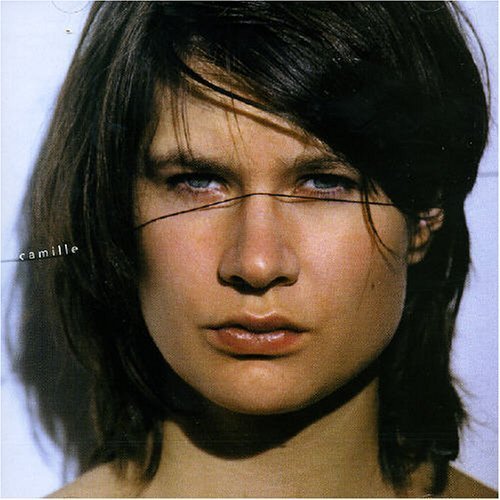
 View Artist