Song Meaning
The lyrics open with a series of cascading questions about where things go: water, the soul, sap, and vanished tears. This sets a tone of searching and uncertainty, a quest for direction or meaning. The repetition of "Où va...?" and "Aller où?" emphasizes this feeling of being adrift, seeking a destination or an answer, which is momentarily punctuated by a hopeful "Hallelujah" before returning to the search for a place "où il luit" – where it shines.
The central tension emerges in the refrain, where the speaker declares, "Et voilà que je fais / Une fontaine de lui / Et voilà que je suis / Une fontaine de lait." This transformation is striking, suggesting an internal wellspring created from another person ("lui"), producing something nurturing and pure like milk. It’s a profound act of internalizing and giving back, a creative overflow born from a connection.
The second verse introduces a more surreal, sensual imagery. The phrase "Elle avale éblouie / Sous les arbres du lit" paints a picture of absorption and wonder within a natural, intimate setting. The repetition of "pâle" (pale) in "La veut pâle, l'eau de vie / Pâle eau oui" creates a delicate, almost ethereal quality, linking the life-giving water to a sense of fading or gentle luminescence.
Ultimately, the effectiveness of these lyrics lies in their evocative, abstract imagery and the surprising metaphor of the "fontaine de lait." The song doesn't offer concrete answers but rather captures a feeling of profound, almost mystical transformation and creation stemming from an internal source, possibly inspired by another. The journey from questioning to becoming a source of sustenance is what makes the narrative arc so compelling.
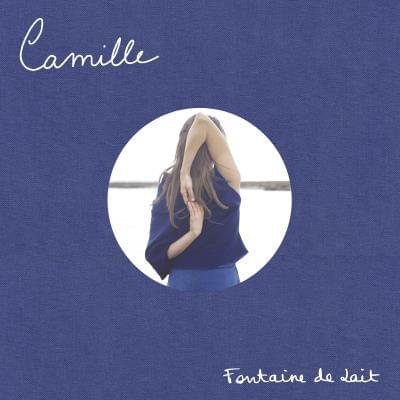
 View Artist