Song Meaning
The lyrics paint a stark, almost dreamlike portrait of a woman's departure. She rises in the dark, a quiet exit from a somber room, stepping out into an even darker morning. The scene is set with a sense of early, solitary movement, a deliberate act of leaving the familiar, symbolized by the city streets and the early morning car. The repeated phrase "Elle s'en va" (She goes away) underscores this act of irreversible movement.
The central tension lies in the contrast between her physical journey and her internal state. While she moves away from the city, the landscape blurring past, she claims to be "bien" (well), yet simultaneously "roule vers nulle part" (rolls toward nowhere) and "n'a plus de mémoire" (has no more memory). This suggests a profound detachment, a state of being lost in a dream or consumed by a vast emptiness, where the external motion is a mere echo of an internal void.
The most striking craft element is the juxtaposition of fleeting sensory details with a profound loss of self. The bus driver's headlights illuminating her path, the passing countryside, the bare feet on sand, the brief gaze at the ocean – these are concrete images. Yet, these are immediately followed by the idea of lost memory and a consuming void. The brief return of images of her children, like an "old-fashioned film," only serves to highlight the ephemeral nature of these connections before fading to "plus rien" (nothing more).
This lyrical construction is effective because it mirrors the disorienting experience of profound dissociation or memory loss. The simple, declarative sentences and the repetitive structure create a hypnotic, almost numb quality, drawing the listener into the narrator's detached state. The fleeting glimpses of past connections, like the children, make the ultimate emptiness feel all the more poignant, emphasizing the tragedy of a journey with no destination and a mind with no past.
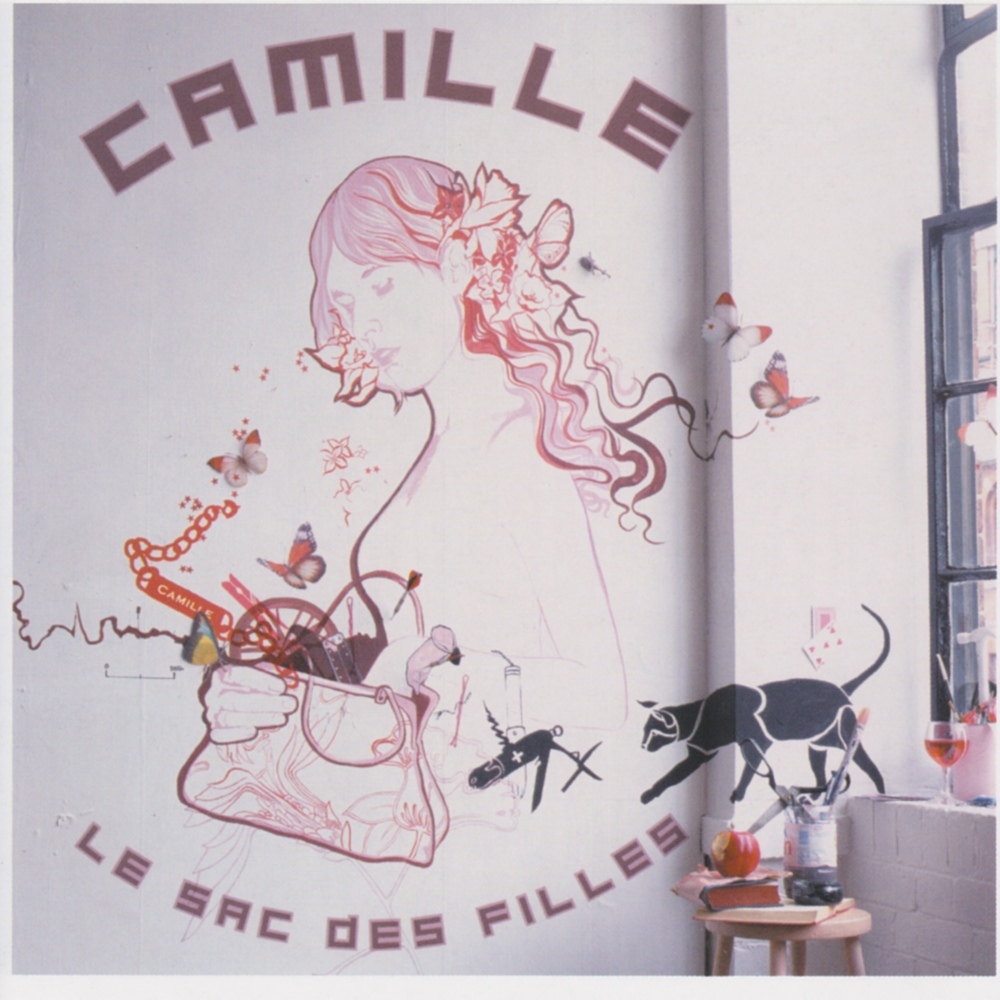
 View Artist