Song Meaning
The lyrics paint a picture of someone struggling to connect with another person, feeling a growing distance. The narrator attempts to understand another's perspective, but acknowledges that "life keeps changing the view," suggesting external forces or personal growth are creating a disconnect. This effort to bridge the gap is met with the recurring, almost resigned, observation: "It's a boy's life after all."
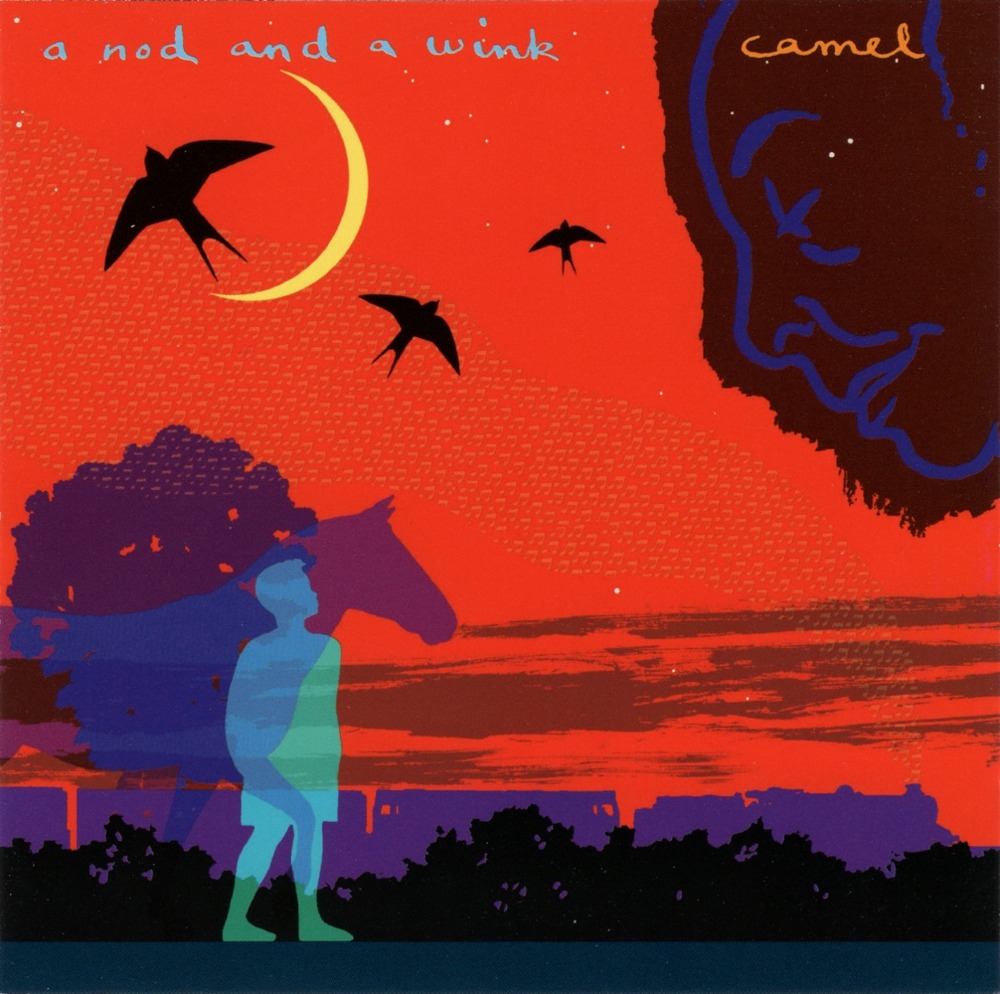
The central tension lies in the narrator's questioning of their own identity and past self in relation to the present disconnect. They directly ask, "Have I really forgotten / The way I felt at fifteen?" This implies a loss of innocence or a shift in perspective that might be contributing to the current lack of understanding. The past, when "things were taken for granted," seems simpler and perhaps more aligned with the other person's current state.
The most striking element is the repeated, almost mantra-like phrase, "It's a boy's life after all." This refrain carries a weight of resignation, perhaps implying that certain struggles, misunderstandings, or a particular way of navigating the world are inherent to a certain stage of life or a certain type of experience. It suggests a cyclical or inevitable nature to these feelings of alienation and lost connection, framing them as a natural, if difficult, part of growing up or moving through life.
This lyrical construction is effective because it grounds a potentially abstract feeling of disconnection in a concrete, relatable image of youthful experience. The contrast between the narrator's active attempt to "see through your eyes" and the passive, almost predetermined outcome signaled by "It's a boy's life" creates a poignant sense of helplessness. The lyrics resonate by capturing that specific ache of realizing you can no longer fully access or understand someone, or perhaps even your former self, because life has inevitably altered the landscape.
 View Artist