Song Meaning
These lyrics paint a stark picture of a speaker consumed by a profound, internal ache. They call out desperately to their mother, but receive no reply. This unanswered plea quickly twists into a bitter curse and a cry for medical intervention.
The central emotional tension here springs from unfulfilled longing and a deep sense of abandonment. The speaker repeatedly calls to their "mare" (mother) through a "ventanita que al campo salia," a tender, almost childlike appeal that is met with chilling silence. This silence, after such heartfelt effort, feels like a profound rejection, leaving the speaker adrift in their pain.
The most striking craft element is the enigmatic "duquesitas grandes"—a unique, almost poetic term for the speaker's suffering. Initially, these "duquesitas" are what the speaker calls with; later, they are explicitly located "dentro mi corazon," confirming them as a source of deep, heart-wrenching pain. This unusual imagery makes the suffering feel intensely personal and almost mystical, rather than a common ailment. The sudden, sharp turn to "Reniego de mi sino / Reniego de ti" injects a surprising jolt of anger and defiance, suggesting a broader frustration beyond just the mother's silence.
What makes these lyrics so effective is how they chart a descent from external longing to internal, almost spiritual, anguish. The shift from seeking a mother's comfort to demanding a doctor for a pain that resides in the heart powerfully conveys a suffering so deep it transcends simple physical ailment. The raw, direct language and the echoing pleas create an intimate portrait of a soul in crisis, leaving the listener to ponder the true nature of these mysterious, heart-bound "duquesitas."
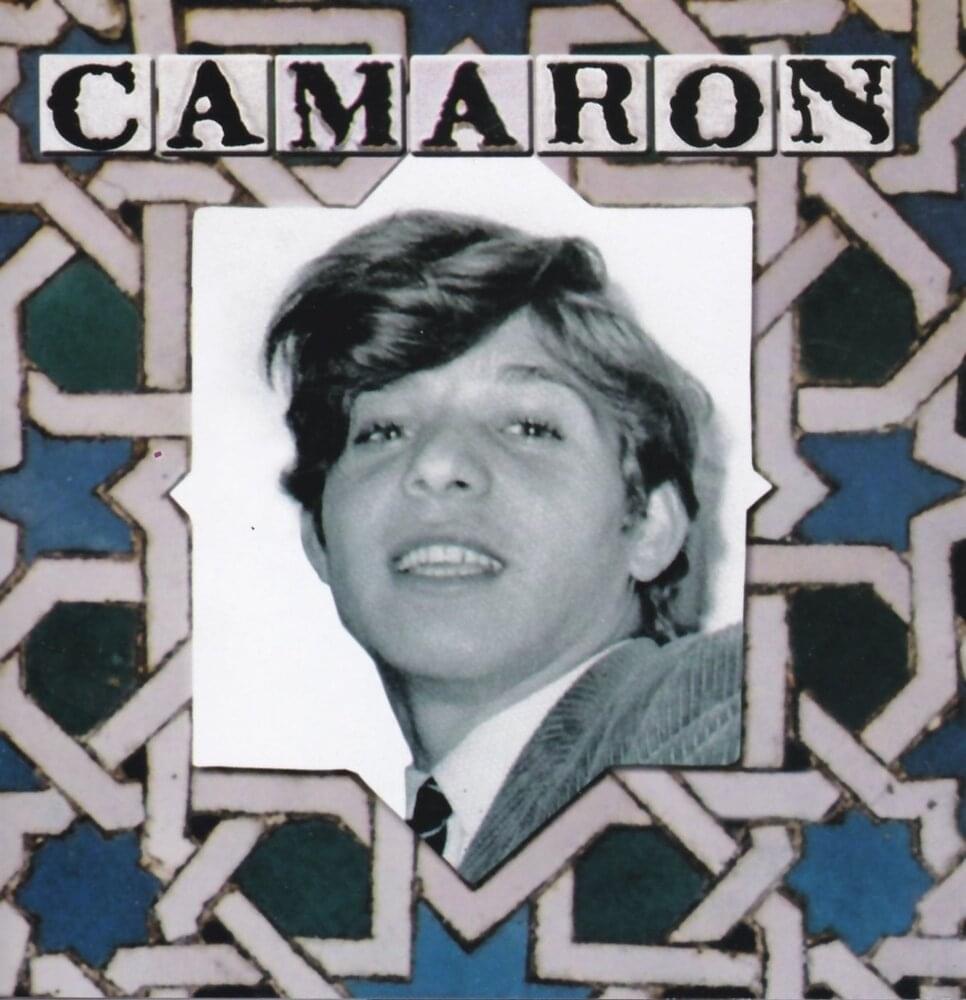
 View Artist