Song Meaning
The narrator makes a stark, almost desperate plea to a higher power, prioritizing health over wealth. This isn't a casual wish; it's a demand born from a place of potential destitution, where even the basic need for sustenance is paramount. The imagery of being a beggar, "lo mismo que un pordiosero," paints a vivid picture of vulnerability and the raw, fundamental human struggle for survival.
The core tension arises from this radical reordering of priorities. In a world often driven by financial gain, the narrator is willing to accept a life of poverty, "pidiendo pan pa comer," as long as their health remains intact. This suggests a profound disillusionment with material pursuits, viewing them as secondary, or even detrimental, to true well-being.
The second verse introduces a sharp, almost dismissive turn. The narrator tells someone to leave, to "vete de la vera mía," and not to seek them out. There's a sense of finality and a desire to sever ties, perhaps with someone associated with the pursuit of money or who represents a past life. The plea is for this person not to mention their name "en los restos de la vía," implying a wish to escape the remnants of a difficult, perhaps broken, path.
This juxtaposition of profound spiritual/existential need with a harsh, personal rejection creates a powerful emotional arc. The lyrics effectively convey a raw, unvarnished perspective on what truly matters when stripped down to essentials, highlighting a deep-seated value system that places life itself above all else.
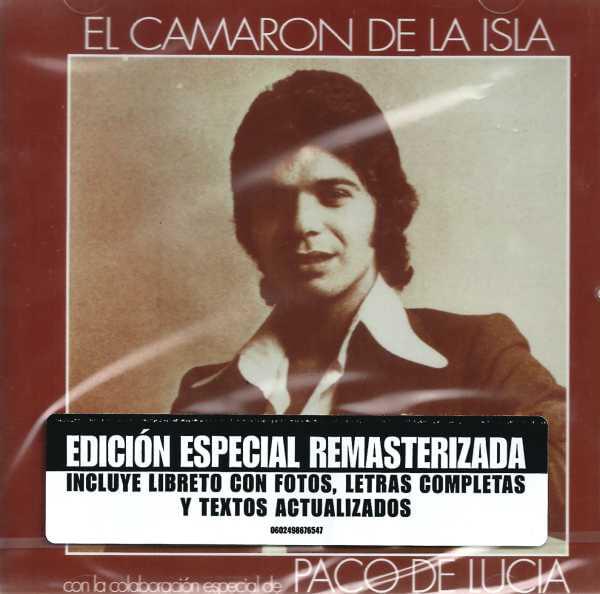
 View Artist