Song Meaning
The lyrics paint a vivid picture of a lover's blush, a physical reaction to a shared glance. "Cada vez que nos miramos" sets a scene of recurring intimacy, where the narrator, a "flamenquita," experiences a tell-tale "carita colorá" – a flushed face. This blushing isn't just a shy reaction; it hints at a deeper, perhaps unspoken, emotional response that arises whenever their eyes meet.
However, this tender image quickly gives way to a palpable sense of being manipulated. The narrator directly confronts their lover, "Que no me tienes cariño / Me manejas a tu placer." The relationship feels unbalanced, with the narrator feeling treated "como si yo fuera un niño," infantilized and controlled. This contrast between the involuntary blush and the feeling of being toyed with creates a core tension, suggesting a love that is both deeply felt and deeply problematic.
The most striking image is the comparison of tears to chickpeas: "Lágrimas como garbanzos." This unusual simile grounds the emotional pain in a tangible, almost mundane object, making the sorrow feel both specific and starkly real. It’s a powerful, earthy image that underscores the depth of the narrator's distress, especially when juxtaposed with the plea, "Por Dios Tomasa / Vente conmigo / Y no tengas guasa" – a desperate, almost pleading request for their lover to come with them and stop playing games.
This song hits hard because it captures a complex emotional state: the involuntary physical manifestation of affection (the blush) colliding with the painful reality of a one-sided, manipulative relationship. The raw, direct language, especially the stark comparison of tears to chickpeas, makes the narrator's vulnerability and frustration incredibly potent, leaving the listener with a profound sense of empathy for this "flamenquita."
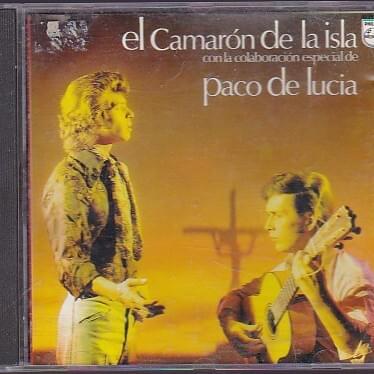
 View Artist