Song Meaning
The lyrics paint a picture of longing and absence, anchored by a visceral connection to physical sensation. The narrator recalls a woodcutter, hearing his firewood crackle, and immediately links that sound to the ache in his own bones when he thinks of the absent person. This establishes a raw, almost physical manifestation of memory and desire, where the act of remembering is felt in the body.
The central tension arises from the narrator's persistent hope contrasted with the stark reality of the other person's absence. He repeatedly "pulls" or tries, referencing a "number four five" that suggests things will improve, a hopeful omen or a coded message. Yet, this optimism is immediately undercut by the recurring scene of entering a room, looking at the bed, and finding it empty, highlighting the painful gap between his wishes and the truth.
The most striking craft element is the direct equation of the woodcutter's crackling wood with the narrator's aching bones. This isn't a gentle metaphor; it's a harsh, almost painful sensory parallel. The phrase "duquelas yo te llamaba" suggests a desperate, perhaps even pained, calling out, which goes unanswered, reinforcing the profound silence left by the person's absence.
This writing is effective because it grounds abstract feelings of longing in concrete, physical experiences. The crackling wood and aching bones create an immediate, relatable sense of discomfort tied to memory. The repeated action of checking an empty bed, juxtaposed with the hopeful "number four five," builds a quiet desperation that resonates deeply, making the narrator's pain palpable.
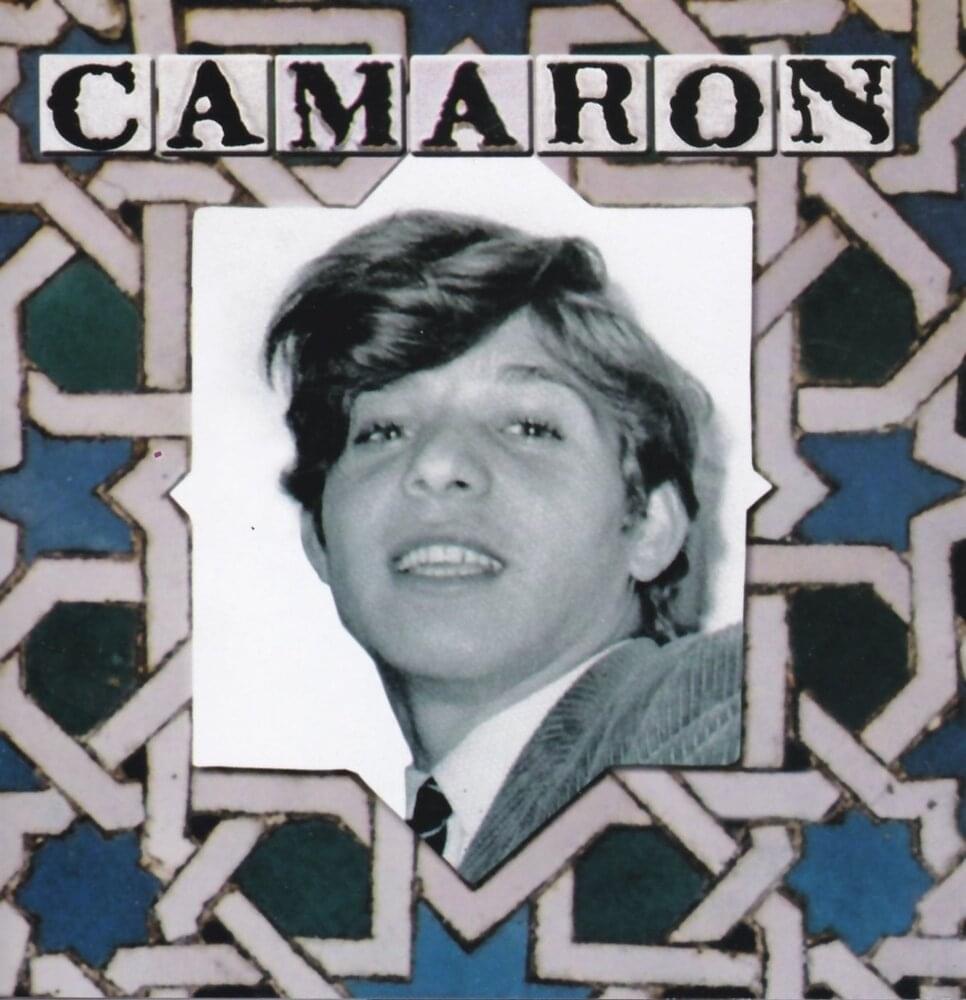
 View Artist