Song Meaning
The lyrics paint a stark picture of emotional desolation, beginning with the recurring image of a "morning turns cold." This isn't just about weather; it signifies a shift from comfort or intimacy to a harsh, isolating reality. The "question marks that dot my eyes" suggest confusion and a struggle to comprehend the distance, the "breech from the warmth of the night," implying a lost connection or a painful awakening.
The central tension revolves around the narrator's relationship with truth and deception, particularly in the context of a promise. The narrator states, "I'll keep a lie and a promise to you," a contradictory act that quickly morphs: "When I keep a lie it becomes the truth." This suggests a desperate attempt to maintain a facade or a relationship, even if it requires fundamentally altering reality. The repetition of "I can keep a lie" underscores a practiced, perhaps weary, resignation to this state of being.
The most striking craft element is the juxtaposition of tender, almost domestic imagery with brutal violence. The idea of a promise maturing and being redeemed is contrasted with the narrator "wearing your noose" and the antagonist sharpening "your spurs on my heart of stone." This creates a visceral sense of betrayal and destruction, culminating in the chilling phrase "Obliteration overload." The "wrangler" imagery adds a layer of rugged, potentially dangerous, control being exerted over the narrator.
This writing is effective because it grounds abstract emotional pain in concrete, unsettling images. The transformation of a lie into truth, the cold morning, the noose, and the spurs all contribute to a feeling of inescapable psychological torment. The lyrics don't just state sadness; they make the listener feel the chill, the constriction, and the sharp edges of emotional devastation.
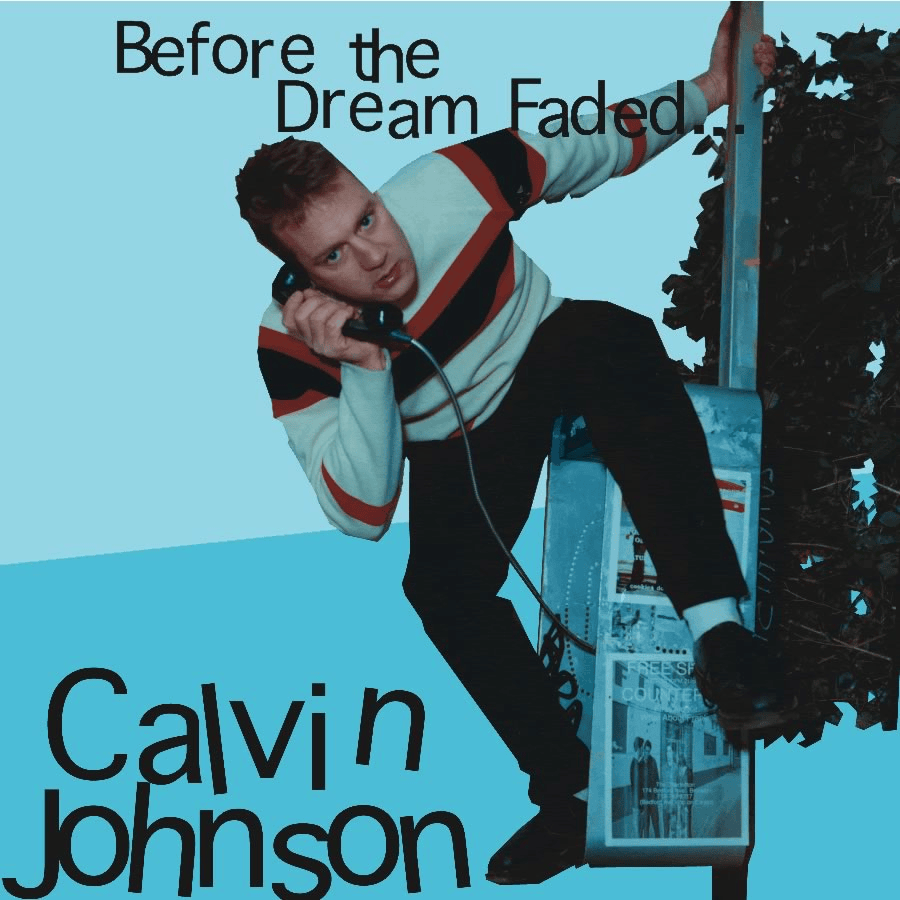
 View Artist