Song Meaning
The lyrics paint a stark picture of internal struggle and disillusionment. The narrator describes a journey across their own soul, only to find no improvement upon crossing metaphorical borders. This sense of futility is amplified by the world falling apart, yet juxtaposed with the cyclical beauty of sunsets, which are framed as rebirths. This creates an immediate tension between despair and a persistent, almost defiant, hope.
The core of the song seems to be a profound sense of isolation and regret. The repeated phrase "I often stand alone" underscores a deep loneliness, while the narrator grapples with the consequences of past actions. The lyrics suggest a loss of agency, stating "Confidential sins have already taken my so called freedom" and "every choice I made framed my so called future." This framing implies that past decisions, perhaps hidden or private ("confidential sins"), have irrevocably shaped their present and future, leaving them feeling trapped.
A particularly striking element is the recurring motif of the sunset. Initially presented as a symbol of renewal, it becomes a point of almost obsessive focus. The repetition of "Every sunset is the rebirth of a new experience" feels less like genuine optimism and more like a desperate mantra against the encroaching darkness. This contrasts sharply with the narrator's later admission of "expecting death, death, death," highlighting a profound internal conflict between the natural world's promise of renewal and the narrator's personal surrender to despair.
Ultimately, the effectiveness of these lyrics lies in their raw portrayal of existential weariness. The narrator’s admission of no longer caring "about the way I gone" and feeling like a fire "to smother in the end" is a powerful expression of resignation. The repeated "death, death, death" isn't just morbid; it’s a stark, almost numb, acceptance of an end, making the fleeting beauty of the sunset feel even more poignant and distant.
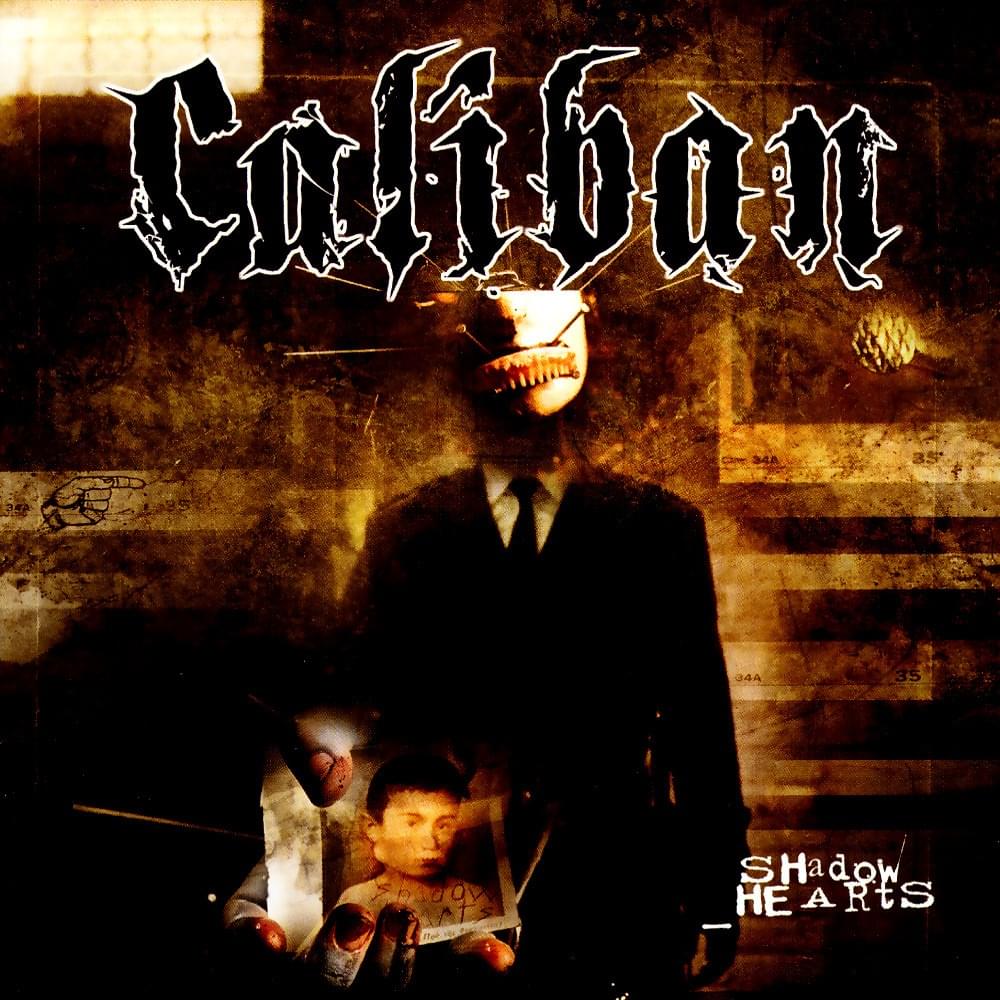
 View Artist