Song Meaning
The lyrics paint a grim picture of existence, where the narrator feels trapped by a self-destructive internal struggle and the harshness of external reality. There's a palpable sense of agony and fear, yet a primal instinct for self-preservation clings on. This survival is framed not as living, but as enduring a life path deliberately constructed with affliction and danger, a stark acknowledgment of reality's inherent cruelty.
The central tension arises from the narrator's perception of life as a suffocating structure, an "edifice" built on control and devoid of genuine living. This "called life" is contrasted sharply with the idea of death, which is presented as a gateway to freedom, an escape from the oppressive stonework. The lyrics suggest a profound disillusionment with the current state of being, where the living are merely components of a larger, soul-crushing system.
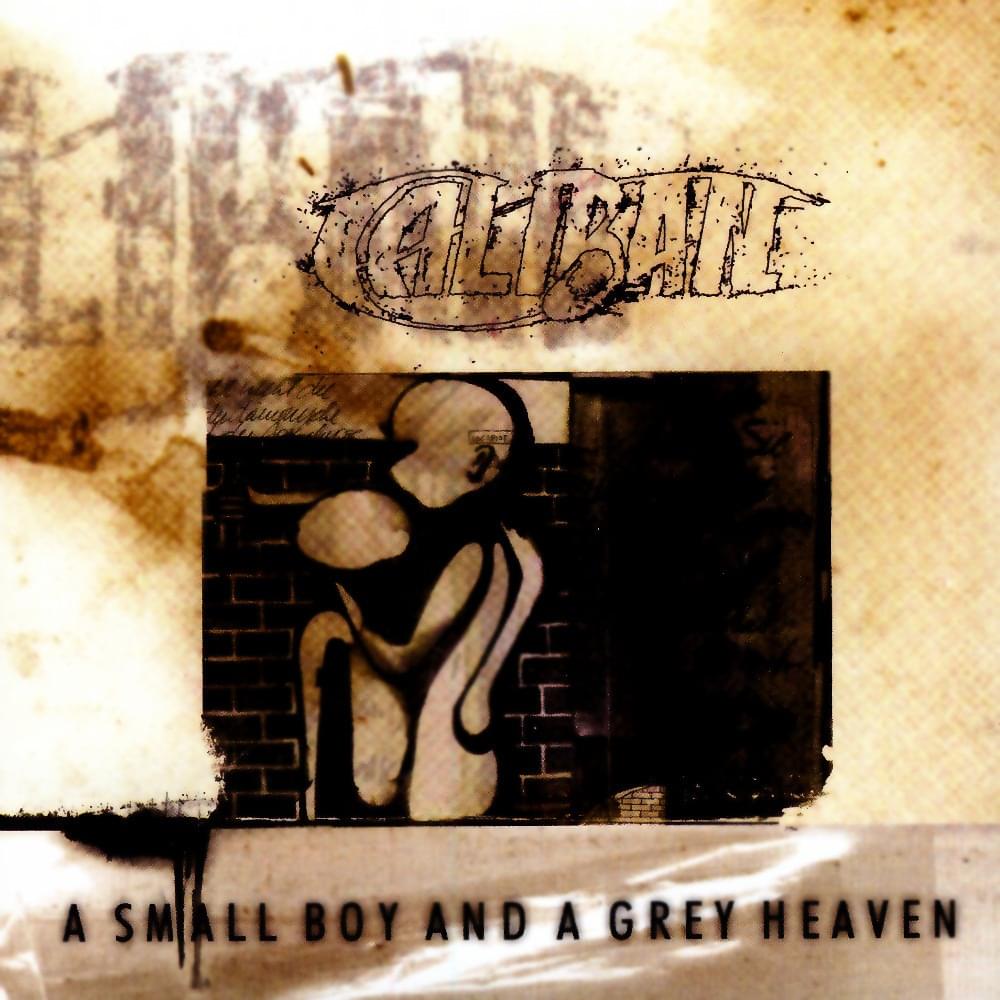
The most striking aspect is the personification of reality as a deceptive force, a "plot of life" that allows for basic biological functions – talks, sees, breathes – but denies true existence. This is amplified by the metaphor of the "edifice" and its inhabitants, where "everyone a brick in this stonework." The narrator sees this structure growing, with more people contributing to its power, which "inevitably steals our breath," a chilling image of collective subjugation and the slow death of individual spirit.
This writing's power lies in its bleak, unflinching portrayal of existential dread and societal entrapment. The stark contrast between the "living" who "doesn't live" and the freedom promised by death creates a potent emotional resonance. The imagery of the "growing edifice" and the "bricks" effectively communicates a sense of inescapable, collective doom, making the narrator's plea for escape feel both desperate and profoundly earned.
 View Artist