Song Meaning
The lyrics paint a stark picture of passive discontent, directly challenging the listener who "just watch[es] and wait." The opening verse criticizes inaction, personified by someone "complaining and cursing about everything" from a "rocking chair." This sets up a clear dichotomy: the comfort of inertia versus the necessity of struggle. The central message is a call to arms, asserting that change and progress are not gifts but earned outcomes.
The core tension lies between the widespread acknowledgment of problems and the failure to act. The narrator observes that "we all see the news, we all feel the fear, but we do nothing against it." This shared awareness of societal ills is contrasted with a collective paralysis, making the subsequent call to "rise and fight" feel urgent and necessary. The lyrics suggest that this inaction is a choice, one that perpetuates dissatisfaction.
The repeated phrase "It's up to you, it's up to us" functions as a powerful refrain, emphasizing personal and collective responsibility. The commitment "I will rise before we die" and "I will fight to be satisfied" transforms this responsibility into a personal vow. This isn't just about abstract change; it's about individual agency and the pursuit of a fulfilling existence, directly confronting the fear and inertia described earlier.
Ultimately, the effectiveness of these lyrics stems from their direct address and clear articulation of a common human experience: the frustration of wanting more but being held back by apathy. By framing action as a choice and a fight for satisfaction, the song compels the listener to consider their own role in either perpetuating the status quo or actively seeking change. The simple, declarative statements build a sense of empowerment, urging a transition from passive observation to active participation.
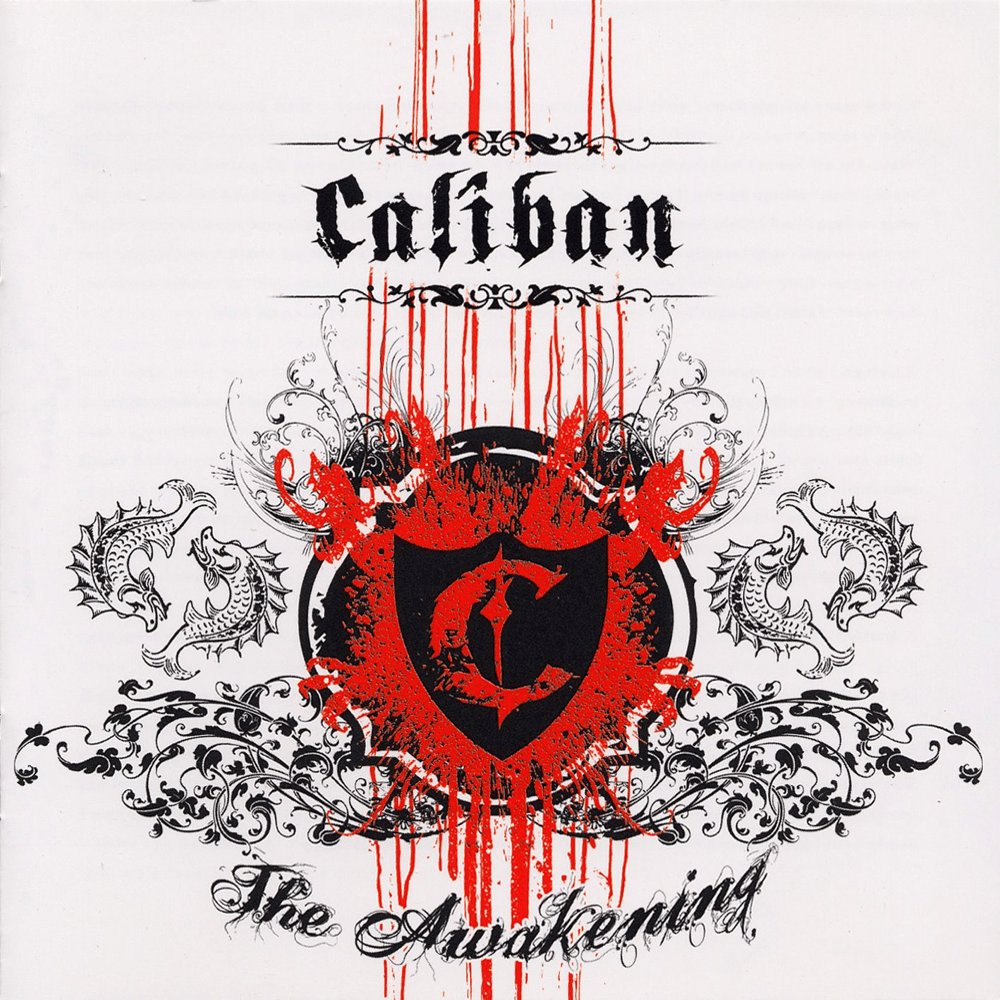
 View Artist