Song Meaning
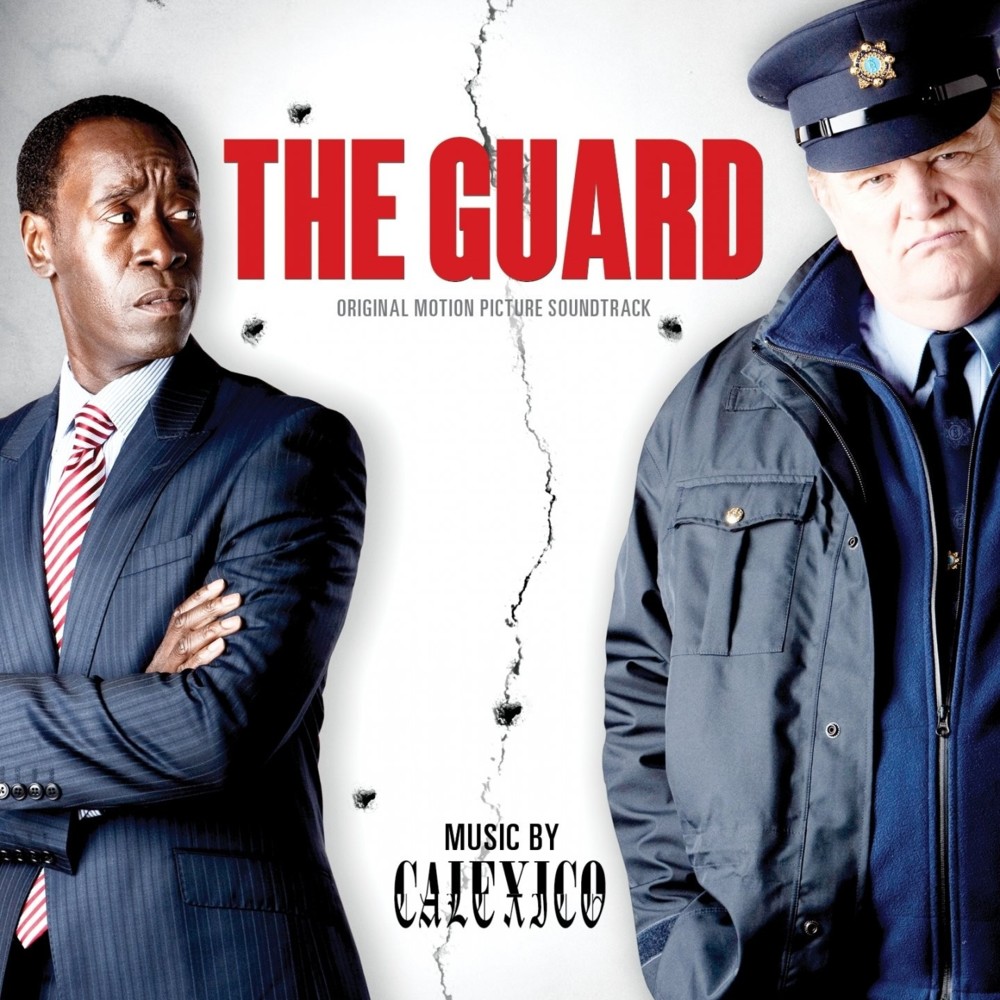
These brief lyrics capture a simple, intimate moment between two people, O'Leary and Boyle, sharing a drink. The scene is one of quiet camaraderie, sparked by a shared appreciation for "bu-bon" — a phonetic spelling that immediately grounds the conversation in a specific, personal way.
The central emotional tension here isn't conflict, but rather the gentle pull of memory and connection. O'Leary initiates the conversation by invoking his father's love for the drink, suggesting a thread of legacy tied to this simple pleasure. Boyle's eager affirmation, "Yes, I like bu-bon," mirrors O'Leary's sentiment and creates an instant bond, bridging the past memory with the present shared experience.
The craft here is subtle but effective. The repeated phrase, "I like bu-bon," first attributed to O'Leary's father and then echoed by Boyle, serves as a powerful, almost ritualistic, point of connection. It's a small, specific detail that makes the interaction feel authentic, like an inside joke or a cherished family saying being passed on. The shift from the English "Cheers" to the Irish "Sláinte" in the toasts further enriches the moment, hinting at cultural depth and a comfortable, unforced rapport between the speakers.
Ultimately, these lyrics are effective because they distill human connection down to its most fundamental elements: shared experience, simple pleasures, and the quiet power of memory. They remind us that profound moments don't always require grand declarations, but can be found in the casual, authentic exchange over a drink, making the listener feel like a privileged eavesdropper on a genuinely warm interaction.
 View Artist