Song Meaning
The lyrics paint a picture of profound personal transformation, moving from a state of being defined by external narratives to one of internal certainty. The opening lines contrast the "thousand stories" of others' perceptions with the intimate "tender whispers of love" experienced directly. This establishes a core tension between received wisdom and personal revelation, suggesting a journey toward a more authentic understanding of a divine presence. The narrator finds solace and reassurance in this direct connection, hearing affirmations of pleasure and constant companionship.
The central conflict revolves around the shedding of fear and the embrace of a new identity. The repeated declaration, "I'm no longer a slave to fear / I am a child of God," serves as a powerful mantra, marking a decisive break from a past dominated by apprehension. This liberation is directly linked to a sense of belonging and chosenness, extending back to the "mother's womb." The imagery of "Your blood flows through my veins" signifies an deep, almost physical integration into this new spiritual family, reinforcing the idea of a fundamental change in being.
The most striking element is the insistent repetition that defines both the divine and the self. The phrase "It's who You are, it's who You are, it's who You are" anchors the divine nature in an unchanging, inherent goodness, described as a "good good Father." Simultaneously, the narrator asserts "It's who I am, it's who I am, it's who I am," directly mirroring this divine attribute and claiming a new identity as a "child of God." This parallel structure powerfully suggests that the narrator's core identity is now intrinsically linked to, and derived from, the divine nature they perceive.
This lyrical construction is effective because it grounds abstract concepts of faith and identity in concrete, declarative statements and resonant repetition. The shift from external narratives to internal affirmation, coupled with the powerful declaration of freedom from fear and the mirroring of divine identity, creates a palpable sense of liberation and belonging. The insistent, almost chant-like repetition reinforces the conviction and the profound, life-altering nature of this spiritual rebirth.
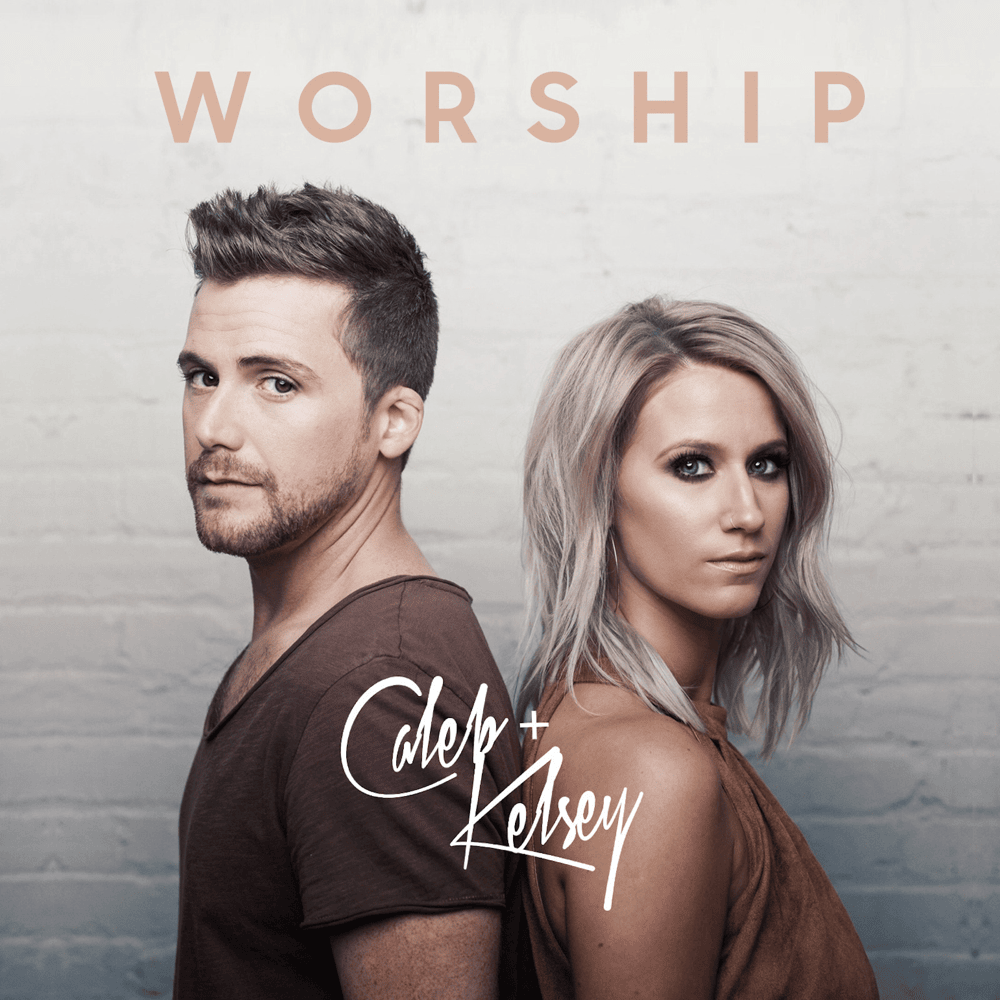
 View Artist