Song Meaning
These lyrics plunge us into a raw, desperate plea for a lost love to return. The speaker is in anguish, begging, "Quero saber se você vai voltar pra mim." There's a clear promise: "Prometo não fazer você sofrer." It's an immediate, visceral cry for reconciliation.
The central tension here is the speaker's overwhelming desire to undo a past separation, driven by both emotional and physical longing. Phrases like "Meu corpo sente a falta de você" ground the yearning in a deep, almost aching physicality. The repeated promises of happiness – "Juro que vou te fazer feliz" – hint at a past where the speaker might have caused pain, adding a layer of regret to the desperation.
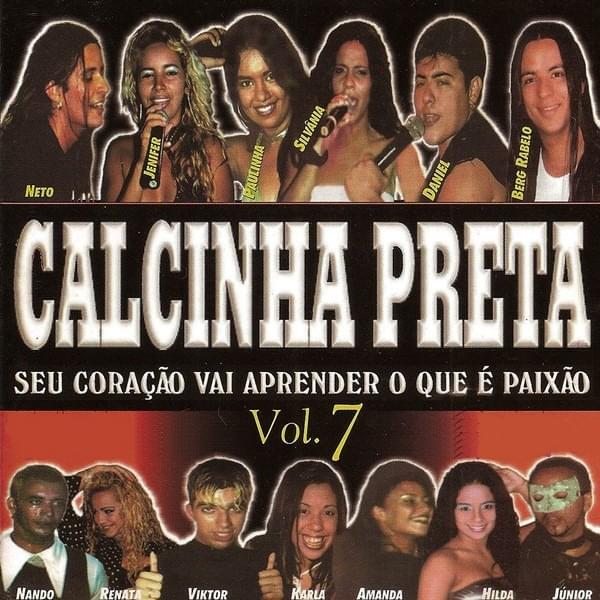
What truly makes these lyrics compelling is a striking tonal shift. Initially, the speaker is vulnerable, almost groveling. But then, a more assertive, almost possessive voice emerges. The imagery of "Plantar um pouco desse amor no seu jardim" suggests nurturing, yet also a subtle claim over the other person's emotional space. This builds to a surprising command: "Toma cuidado / Seu coração vai aprender o que é paixão / Toma juízo cuida mim / Entregue o jogo, melhor assim." It's no longer just a plea; it's a declaration, a demand for surrender, implying the other person *needs* this love.
This emotional whiplash is precisely what makes the lyrics so effective. The raw honesty of desperation, combined with an unexpected, almost manipulative assertiveness, paints a complex picture of love. It's intense, perhaps overwhelming, and deeply human in its contradictions. The relentless repetition of core desires reinforces the speaker's fixation, making the plea feel urgent and inescapable to the listener.
 View Artist