Song Meaning
The lyrics open with a striking image of transformation, a playful yet slightly resigned "paint me with leopard spots." This sets a tone of accepting whatever comes, a passive agreement to a partner's desires, even if they're unconventional. The immediate follow-up, "if that's your scene / That's cool with me," reinforces this idea of going along with someone else's agenda, suggesting a dynamic where the narrator's own preferences take a backseat. It’s a casual surrender, almost too casual.
The central focus quickly narrows to "Billy boy," who is explicitly stated to be the sole subject: "It's just all about you." This intense fixation creates a palpable tension. The narrator seems both captivated and perhaps overwhelmed by this singular individual. The repetition of "Oh boy, oh boy, oh boy" amplifies this feeling, bordering on an anxious obsession or a desperate attempt to keep up with Billy's perceived importance.
The lyrics then pivot to a moment of public recognition for Billy: "I think I saw you on TV / Yesterday." This external validation seems to heighten the narrator's focus, making Billy even more central. The parenthetical aside, "I don't like the idea of you breaking down / And I'm the only one who can help you get back on the road again," reveals a deeper, more possessive layer. It suggests a perceived duty or a desire to be indispensable, hinting at a co-dependent relationship where the narrator's role is to fix and maintain Billy.
The repeated plea, "Release me," stands in stark contrast to the earlier passive acceptance. It’s a desperate cry for freedom from this all-consuming focus on Billy. The subsequent "Right on / Oh virtuous one" feels like a sarcastic or weary acknowledgment of Billy's perceived perfection, a final, almost defiant, acceptance of the situation, or perhaps a bitter farewell. The repeated "How do you like that" adds a sting, suggesting the narrator is making a final statement, leaving Billy to his own devices.
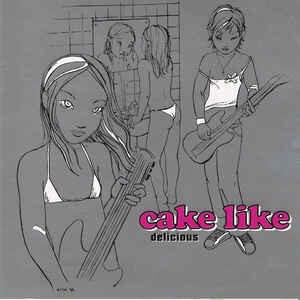
 View Artist