Song Meaning
The lyrics open with a striking image: "Vela leva a seta tesa" (Candle carries the taut arrow), immediately establishing a sense of focused, perhaps spiritual, intention. This is followed by "Rema na maré" (Row in the tide), suggesting a deliberate movement against or with natural forces. The phrase "Rima mira a terça certa" (Rhyme aims for the right third) introduces a playful, almost musical, precision, culminating in the core action: "E zera a reza" (And zeros out the prayer). This sequence feels like a ritualistic or artistic act that nullifies or resets a spiritual plea.
The central tension emerges with the plea, "Zera a reza, meu amor" (Zero out the prayer, my love), shifting the focus to a relationship. The narrator invites their beloved to abandon formal prayer in favor of celebrating their shared life through "o pagode do nosso viver" (the pagode of our living). This suggests a desire to find spiritual or profound meaning not in supplication, but in the everyday experience of love, acknowledging its inherent mix of "dor e prazer" (pain and pleasure). The act of "pagar pra ver" (paying to see) implies a willingness to embrace uncertainty and explore the boundaries of what is possible within their connection.
The lyrics then pivot to a vibrant, almost surreal, depiction of love during "carnaval." The "pureza desse amor" (purity of this love) is said to "espalha espelhos" (spread mirrors), reflecting a multitude of "desigual" (unequal) faces and bodies. This imagery suggests that their love, despite its purity, engages with the diverse and chaotic nature of the world, with each reflection capable of discerning "o que é bom e o que é mau" (what is good and what is bad). The profound statement "Chão é céu" (Ground is sky) collapses perceived dualities, asserting that the mundane is elevated, and this shared reality is "seu e meu" (yours and mine).
This lyrical construction is effective because it grounds abstract spiritual concepts in tangible, relatable experiences of love and life. The initial ritualistic imagery of the candle and arrow is reinterpreted through the lens of a relationship, suggesting that true devotion might lie in shared experience rather than formal prayer. The carnival metaphor, with its scattered mirrors, beautifully captures the multifaceted nature of love and perception, ultimately leading to the powerful, unifying assertion that the ordinary ground of existence is, in fact, the divine sky, belonging to both individuals. The final declaration, "E eu sou quem não morre nunca" (And I am the one who never dies), offers a sense of enduring presence or legacy found within this profound connection.
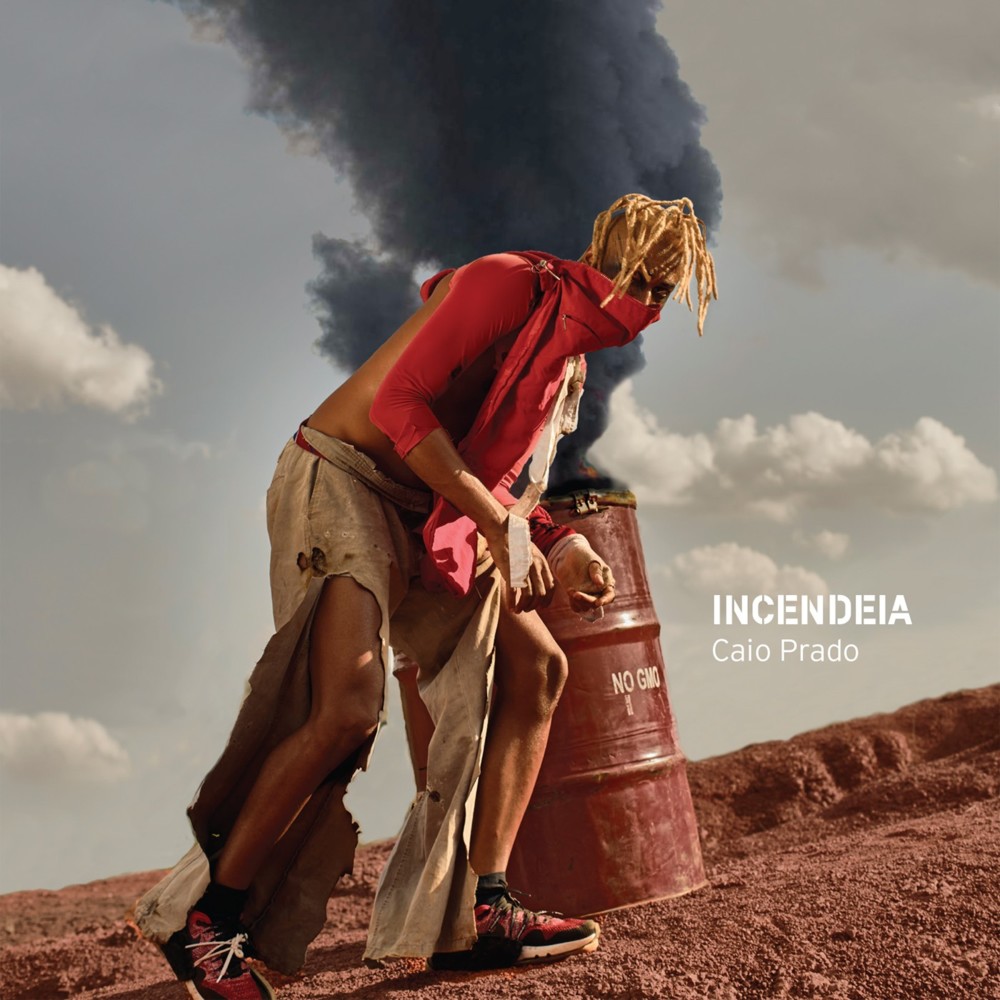
 View Artist