Song Meaning
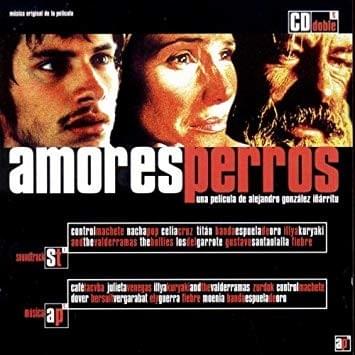
The lyrics paint a picture of someone repeatedly returning to a familiar, perhaps destructive, pattern of love, referred to as "amores perros." This phrase, translating to "dog loves" or "rotten loves," suggests a history of painful or messy relationships that the narrator can't seem to escape. Despite finding a "decision" and returning to a "position," the memory of these "amores perros" lingers, indicating a cycle that's hard to break. The narrator seems to acknowledge this pattern, noting that the subject "never failed" at it, but rather "did it one more time."
There's a central tension between the idea of forgetting and the persistence of these painful attachments. The recurring line "(todo se puede olvidar)" – "everything can be forgotten" – is placed in parentheses, almost as an afterthought or a wishful thought, directly contrasted with the emphatic "Amores perros jamas" – "Dog loves never." This creates a push and pull between the desire for a fresh start and the inescapable reality of past emotional baggage. The subject is repeatedly described as "una vez mas" – "one more time" – reinforcing the cyclical nature of their actions and the narrator's perception of them.
The most striking aspect of the craft is the stark repetition and the use of the parenthetical phrase. The constant return to "Una vez mas" and "Amores perros jamas" hammers home the theme of inescapable patterns. The parenthetical "(todo se puede olvidar)" acts as a subtle but powerful counterpoint, highlighting the internal conflict or the narrator's hope that perhaps, this time, things might be different, even as the evidence suggests otherwise. The phrase "Lo hiciste una y otra vez" – "You did it one more time" – directly confronts the subject's repeated actions.
Ultimately, these lyrics resonate because they capture the frustrating familiarity of self-sabotaging behaviors in relationships. The writing doesn't offer easy answers or resolutions; instead, it holds up a mirror to a recurring emotional state. The stark contrast between the possibility of forgetting and the certainty of "amores perros" creates a poignant, almost resigned, emotional landscape that feels deeply human and relatable to anyone who's felt stuck in a loop.
 View Artist