Song Meaning
The lyrics immediately plunge into a narrator's deep infatuation with a "chica banda," a punk girl. Her "negra piel" and "flexi-botas negras" paint a striking visual, grounding her in a specific, rebellious aesthetic. This isn't just a crush; it's an admiration for a figure rooted in youth culture, identified as one of "las morras de la secu' 23."
A powerful fusion emerges from the girl's identity, making her far more complex than a simple archetype. Her "Pelos parados como un penacho" strikingly links punk defiance to indigenous imagery, while her dancing, described as "ritos a Xipe-Totec," suggests an ancient, ritualistic weight. The lyrics explicitly state her "piel morena chichimeca," yet emphasize that "en el punk ella aún cree," highlighting a compelling synthesis of deep cultural heritage and modern rebellion.
The genius of these lyrics lies in their seamless weaving of pre-Hispanic and indigenous Mexican heritage with the raw energy of punk rock. The girl's parents hail from "San Juan Chamula" and Tzintzuntzan, grounding her in specific indigenous communities. This rich lineage culminates in the powerful image of a punk leader "nacido en la gran Tenochtitlán," the ancient Aztec capital. This juxtaposition isn't just a contrast; it's a declaration that punk can be a vibrant expression of a deeply rooted, complex Mexican identity.
What makes these lyrics so effective is how they celebrate a multifaceted identity, making the "chica banda" a profound cultural figure. The narrator's declaration, "Y yo le dí mi amor," placed specifically "en un concierto del atoxxico" or Rebel D'Punk, anchors their connection in this shared, culturally rich punk space. The unexpected "Disco" count-off adds a playful, almost subversive touch, hinting at the genre-bending spirit inherent in her character. The lyrics craft a portrait of love that embraces a powerful, historically resonant, and fiercely independent spirit.
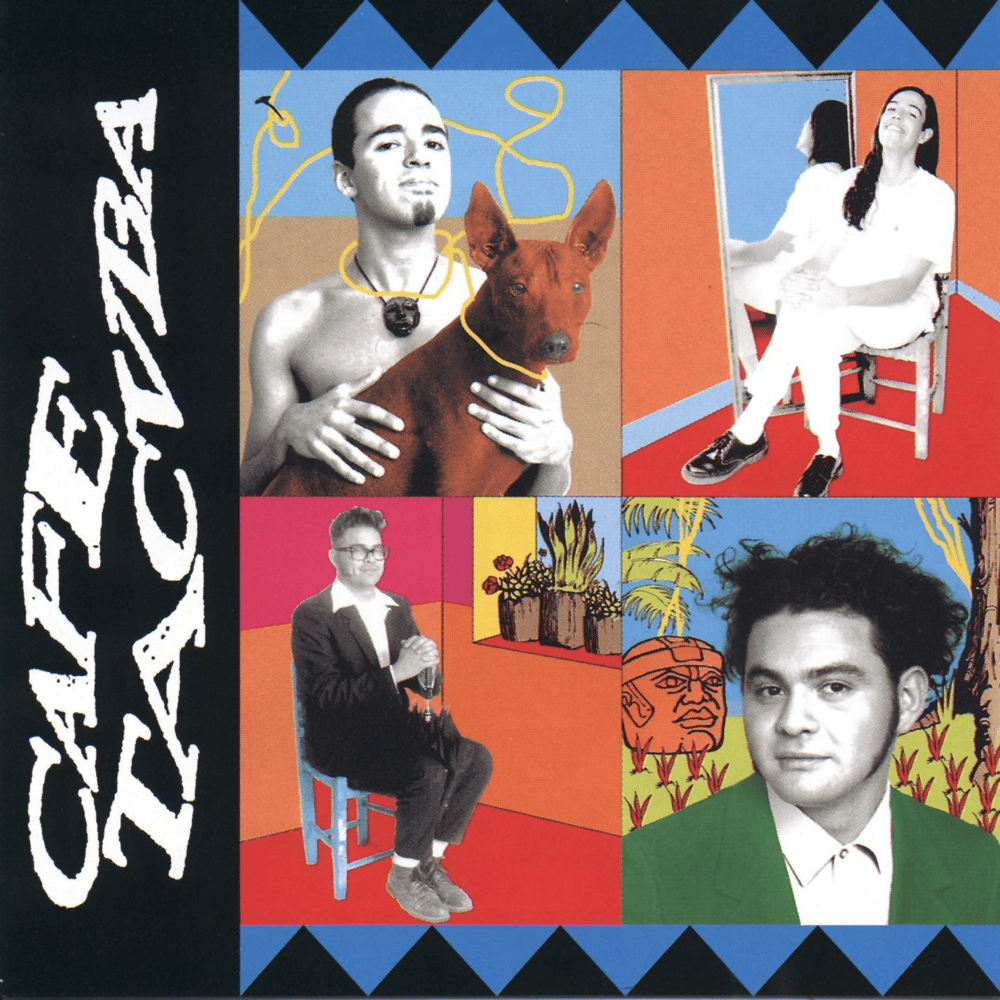
 View Artist