Song Meaning
The lyrics open with a poignant, almost existential question: "Qué será de mí" (What will become of me). The speaker grapples with a future devoid of a loved one, painting a picture of profound emptiness. This isn't just a hypothetical; it's a deeply felt dread about the mundane moments of daily life.
The core tension lies in the speaker's fear of time itself becoming a constant, painful reminder. Each part of the day – afternoon, night, dawn – is personified as a witness to their solitude. The afternoon will "remind me / That my afternoons were you," while the night "knows it cannot be," suggesting an irreversible separation. This relentless march of time, stripped of shared intimacy, fuels the speaker's despair.
The lyrics masterfully use a progression of intimate, sensory details to convey loss. The absence isn't abstract; it's felt in the lack of a hand reaching out, or the loved one's presence as "mi primera luz" (my first light) at dawn. This vivid imagery grounds the emotional impact, making the potential void tangible and deeply personal.
A powerful shift occurs from passive questioning to an urgent, desperate plea. The repeated "Quédate" (Stay) cuts through the earlier lament, revealing a speaker willing to defy fate and logic. Phrases like "destinos son errores sin verdad" (destinies are errors without truth) and "no le hagamos caso a la razón" (let's not listen to reason) underscore a raw, emotional conviction that love can, and should, overcome any obstacle. This pivot from resignation to fierce advocacy makes the final plea incredibly impactful.
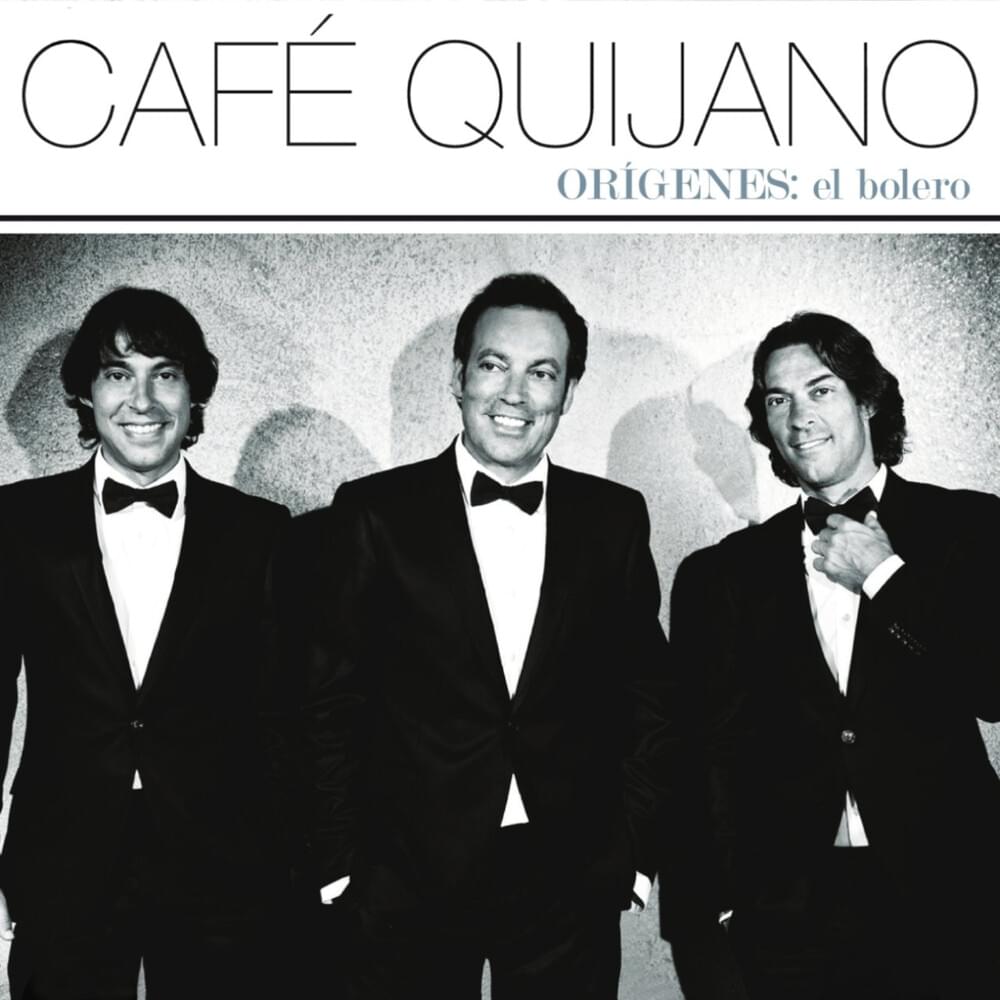
 View Artist