Song Meaning
The narrator describes a state of profound stagnation, a "boat of mediocrity" after a period of intense experience, symbolized by "seven years on the seven seas." This initial calm, once a source of peace derived from a relationship or belief system, has devolved into an "empty methodology," a sterile existence likened to a "fine white tomb." The dominant emotional tone is one of desperate yearning for disruption, a stark contrast to the current, suffocating tranquility.
This isn't a plea for comfort, but a radical demand for upheaval. The narrator is "perishing" not from external threats, but from the absence of them, from a life devoid of challenge and genuine feeling. The core tension lies in the paradoxical desire to be shaken awake, to trade a peaceful but lifeless existence for one that is tumultuous but real. It's a cry to shatter the comfortable complacency that has become a prison.
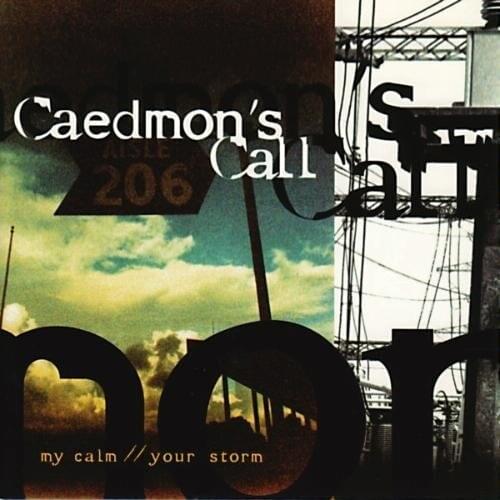
The most striking element is the inversion of the desired state: "Make my calm, Your storm." This isn't about finding peace within chaos, but about actively seeking the chaos to break the spell of false peace. The lyrics suggest a spiritual or existential crisis, where the narrator feels they've become a "pharisee" – self-righteous and spiritually dead – and needs a divine or powerful force to dismantle their carefully constructed, yet hollow, serenity. The desire to "kill this thief That steals life from me" points to an active rejection of this passive state.
The effectiveness of these lyrics stems from their raw, almost violent, honesty about the dangers of comfort. By framing peace as a tomb and stagnation as perishing, the narrator forces a confrontation with the idea that true aliveness might require embracing struggle. The plea isn't for rescue *from* a storm, but for a storm *to end* the suffocating calm, making the desire for turmoil the central, unforgettable message.
 View Artist