Song Meaning
The lyrics paint a picture of a beloved homeland, referred to as "tierra mía," that has lost its joy and vitality. The opening lines directly question this shift, noting the absence of a smile and the feeling that happiness has been carried away by the wind. This establishes an immediate tone of concern and lament for a once-vibrant place that now seems subdued and sorrowful.
The central tension arises from the perceived neglect and exploitation of this land by external forces and internal systems. The narrator observes that those who have always been loyal are now struggling, facing unemployment and hunger, while the land itself appears to be allowing itself to be further encroached upon and sold off. This creates a poignant contrast between the land's inherent value and the harsh realities of its current state, driven by economic hardship and a sense of betrayal.
A striking element is the personification of the land as a suffering entity. The repeated question, "¿Qué te pasa, tierra mía?" (What's happening to you, my land?), imbues the territory with human emotions and experiences, making its plight feel deeply personal. The imagery of the land being fenced in ("alambren los campos") and sold to outsiders while its own people are willing to work suggests a profound sense of injustice and a loss of self-determination.
This lyrical approach is effective because it transforms abstract socio-economic issues into an intimate, emotional plea. By addressing the land directly and attributing human characteristics to it, the song fosters a powerful sense of empathy. The recurring "La larará" refrain, while seemingly simple, acts as a mournful interlude, underscoring the sadness and helplessness felt in the face of these widespread problems, making the listener feel the weight of the land's sorrow.
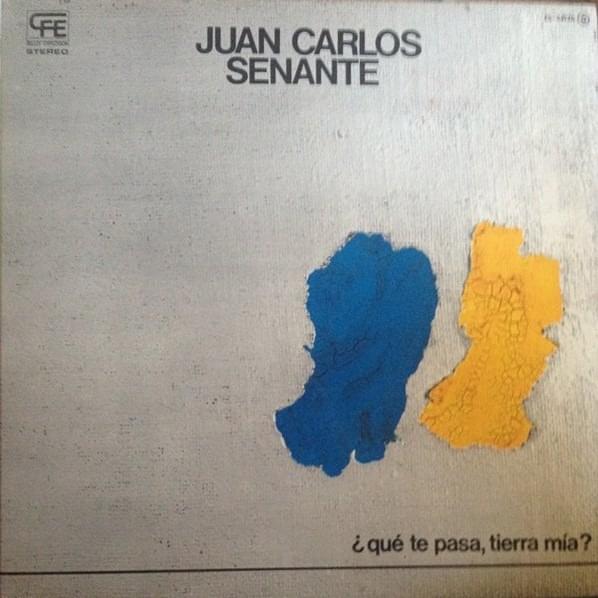
 View Artist