Song Meaning
This track opens with a stark, almost defiant plea: "Ámame, si es que te sirve de algo." It's not a request born of longing, but rather a statement of finality, a concession that love might only be useful to the other person now. The narrator makes it clear that this love, if offered, won't be reciprocated or even heard, stating plainly, "No te voy a escuchar y ni te pienso dar / Un poco de mi vida." The door has closed; the narrator is no longer the one to heal the other's wounds because "Se te ha hecho tarde ya."
The emotional core here is a bitter resignation mixed with a clear sense of past grievances. The narrator acknowledges holding "rencor" (resentment) because their own needs were ignored: "no pensaste igual, cuando hube de aguantar / En vano, tus caprichos." The repeated phrase "Ámame, si es que te sirve de algo" takes on a new weight with each stanza, shifting from a simple statement to an ironic echo of past pleas that went unanswered. The narrator seems to be flipping the script, offering a love that is now conditional and detached, mirroring the perceived indifference they once faced.
The most striking craft element is the stark contrast between the initial plea and the subsequent rejection, coupled with the powerful metaphor of a "fuego apagado" (extinguished fire). This image perfectly captures the narrator's current state: the passion is gone, leaving only embers that offer no warmth or light. The lyrics suggest a painful lesson learned, where the narrator, having been treated as disposable, now offers a similar, albeit colder, form of affection. The final lines, "Tú, que creías poder jugar conmigo / Y hoy andas mendigando algo de amor," underscore this shift, highlighting the reversal of power and the narrator's firm stance against further emotional investment.
Ultimately, the effectiveness of these lyrics lies in their unflinching portrayal of emotional exhaustion and self-preservation. The narrator isn't seeking reconciliation; they are asserting boundaries born from past hurt. The language is direct, cutting through any pretense of lingering affection to reveal a hard-won independence. It resonates because it articulates a common, albeit painful, human experience: the moment when love, or the *idea* of love, becomes a tool for self-protection rather than connection.
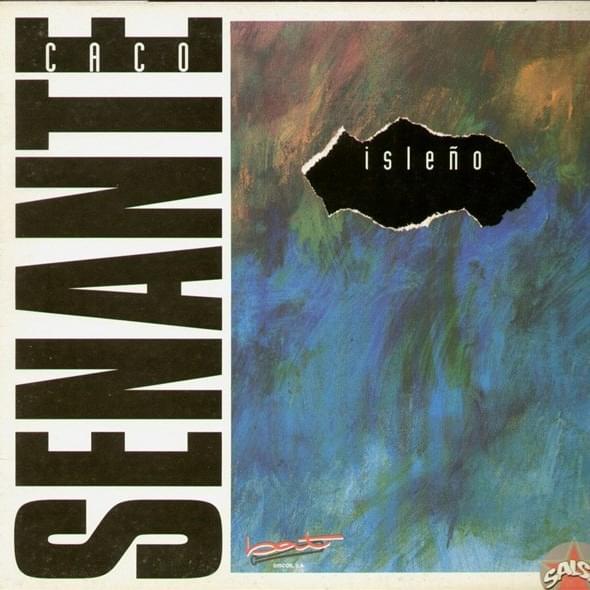
 View Artist