Song Meaning
The narrator is exhausted by a companion's persistent sadness and anger, describing it as "tristeza de tus ojos" and "tormenta de enojo." This weariness is palpable, a deep fatigue from witnessing the other person's struggle and hearing their complaints. The lyrics paint a picture of someone drowning in negativity, unable to see their own inherent worth or the possibilities life still holds.
The central tension arises from the contrast between the companion's despair and the narrator's defiant assertion of happiness. While the companion laments their perceived lack of value, stating "Tu alma no está vendida / Tu piel no está hecha de oro," the narrator counters that true value lies within: "Es un corazón y un alma / Que son capaces de todo." This internal wealth is presented as the source of the narrator's occasional joy.
The most striking aspect is the narrator's radical embrace of happiness despite external circumstances or the opinions of others. The repeated phrase "Yo a veces soy feliz" acts as an anthem against despair. The imagery is stark and defiant: "Me parta un rayo me puye un ojo" – even facing extreme misfortune, the narrator finds moments of happiness. This isn't a passive state but an active choice, a refusal to let external negativity dictate their inner world.
This lyrical approach is effective because it grounds happiness not in material possessions or external validation, but in an internal resilience. The narrator's declaration, "Para quejarme tendría que estar muerto," powerfully encapsulates this perspective. It suggests that as long as one is alive, the capacity for happiness exists, making the companion's constant complaining seem like a choice rather than an inevitability.
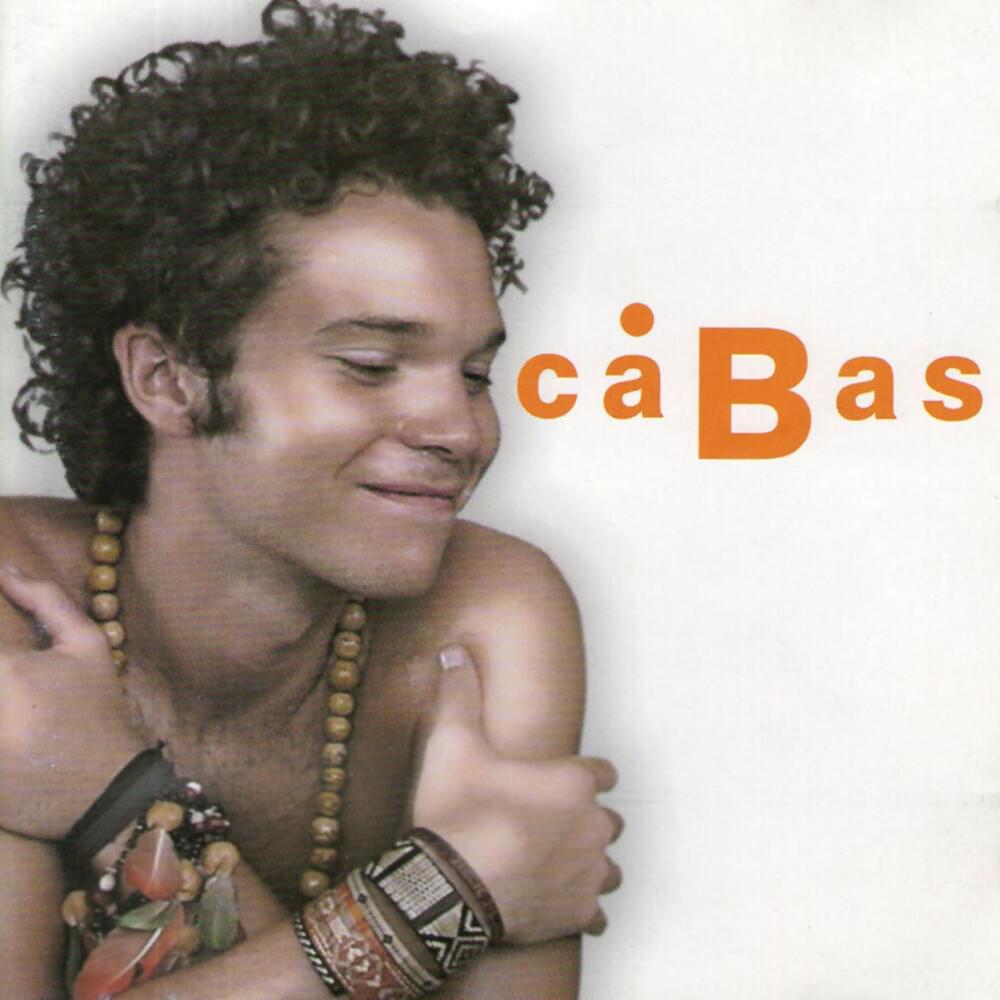
 View Artist