Song Meaning
The lyrics paint a picture of a cherished past, centered on a specific, idyllic location. A "green hill far away" serves as a beacon of memory, a place the narrator knows intimately and where the "sun its shone so bright." This idyllic setting is inextricably linked to shared moments, specifically the repeated phrase "In the fields where once we did lay." The repetition hammers home the significance of these fields as the backdrop for foundational experiences.
The central tension arises from the contrast between this vibrant, sunlit past and the implied present absence of those moments or people. The act of remembering, of walking a "winding road" and recalling "times we spent together," suggests a journey away from that past. The overwhelming repetition of "In the fields where once we did lay" twenty times in one stanza amplifies the longing and the weight of what has been lost or is now distant. It's a desperate clinging to a specific memory.
The most striking craft element is the sheer, almost obsessive, repetition of the central phrase. This isn't just a chorus; it's an incantation, a way to keep the memory alive against the erosion of time. The carving of names and declaration of "love forever" on an "old oak tree" adds a layer of youthful, seemingly permanent commitment that now feels poignant against the backdrop of remembrance. The lyrics suggest a profound emotional anchor in this specific landscape.
This writing is effective because it grounds a universal feeling of nostalgia in concrete, sensory details. The "green hill," the bright sun, the "old oak tree," and the act of carving names create a tangible world. The relentless return to the "fields where once we did lay" makes the narrator's yearning palpable, transforming a simple memory into an almost sacred space that defines the emotional core of the piece.
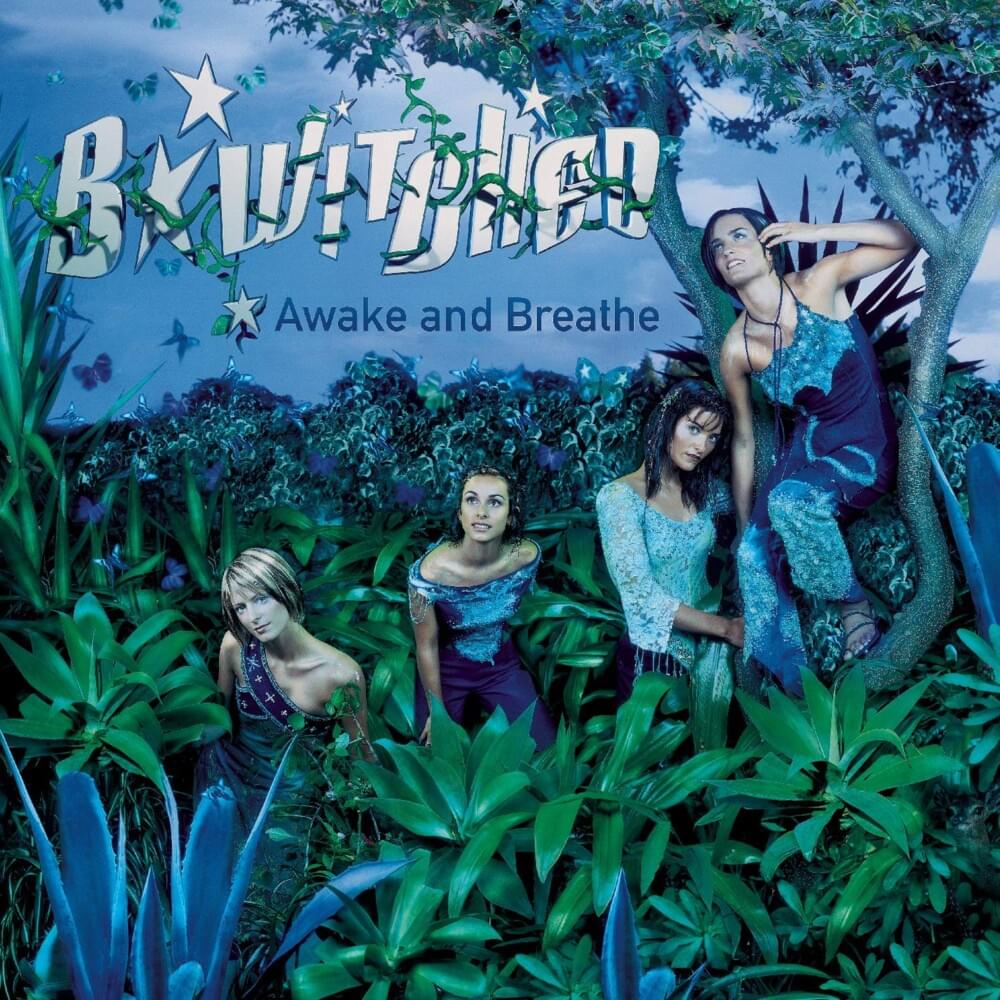
 View Artist