Song Meaning
B.W. Stevenson's "Temper, Temper" unfolds as a bluesy confession of a man caught in a self-destructive cycle. The opening lines paint a picture of regret and financial strain, hinting at past indulgences coming back to haunt him. The line about the children looking like someone else adds a darkly humorous, almost farcical, layer to his woes, suggesting a history of infidelity and broken relationships. He's trying to make amends, but the pull of his vices remains strong, a classic case of the spirit being willing, but the flesh is weak. The song meaning here is not just about bad luck; it's about a character who repeatedly makes the same mistakes. His attempts to atone seem half-hearted, overshadowed by the allure of his "champagne dames."
The recurring phrase "Temper, temper, now darlin'" acts as both a plea and a lament. It could be directed at a former lover, a personification of his own inner demons, or even a warning to himself. The repetition emphasizes the cyclical nature of his behavior. "Everything's the same, Nothin' ever changed" is a stark admission of his inability to break free from his patterns. He acknowledges the intoxicating power these women hold over him, singing "Bright light, bright light ladies, you're to blame / Spend my paycheck on you champagne dames." He deflects responsibility, but there's a sense that he also recognizes his own complicity in the situation. He's not entirely a victim; he's an active participant in his downfall.
The genius of "Temper, Temper" lies in its unflinching portrayal of a flawed character. Stevenson doesn't shy away from the protagonist's weaknesses. The repeated line "Night into my day, mama" underscores the disruption to his life, the inversion of order caused by his reckless pursuits. The song isn't a celebration of bad behavior, but a weary observation of it, delivered with a world-weary cynicism that resonates with anyone who's ever struggled to overcome their own self-destructive tendencies. It’s a bluesy, almost sardonic, take on personal responsibility and the difficulty of escaping one's own nature.
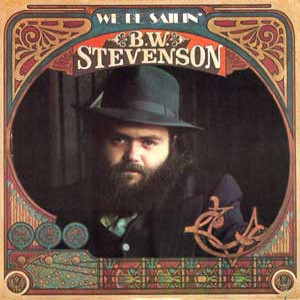
 View Artist