Song Meaning
B.W. Stevenson's "Be My Woman Tonight" isn't a straightforward plea for romance, but a carefully negotiated truce in the battleground of a past relationship. The opening lines are a preemptive disclaimer, a verbal mine-clearing operation: "I'm not trying to own you…I don't want you hangin' 'round on me." This isn't about commitment or long-term entanglement. It's a proposition framed by what it *isn't*, a stark acknowledgment of prior dysfunction. Stevenson isn't offering a future, but a temporary cessation of hostilities. The repeated phrase, "I'm not trying to wonder/Not trying to find you out," underscores a weariness with the games and uncertainties that plagued them before. He's consciously choosing to avoid the emotional labor of deciphering her, opting instead for a simple, direct connection.
The second verse is a brutal autopsy of their failed past. "Let's not fall in that hole again/We never really made it anyway." There's no romantic revisionism here, no sugarcoating. He admits to his own immaturity ("I kept acting like a child at ten"), suggesting a level of self-awareness that was perhaps absent during the relationship itself. This honesty, however painful, is crucial to understanding the song's central tension: the desire for intimacy tempered by the fear of repeating past mistakes. It's a paradox many adults face, the push and pull between longing and self-preservation.
Ultimately, "Be My Woman Tonight" is a study in vulnerability and guardedness. The final verse reveals the underlying loneliness driving the proposition. "Baby, I've been quite lonely/And I thought maybe you'd be home tonight." The offer of conversation, even the possibility of staying the night, is presented as a fragile hope, contingent on the explicit understanding that no strings are attached. The repetition of the title phrase serves as both an invitation and a boundary, a desperate attempt to bridge the gap between two people who know each other's flaws all too well, seeking solace without demanding commitment.
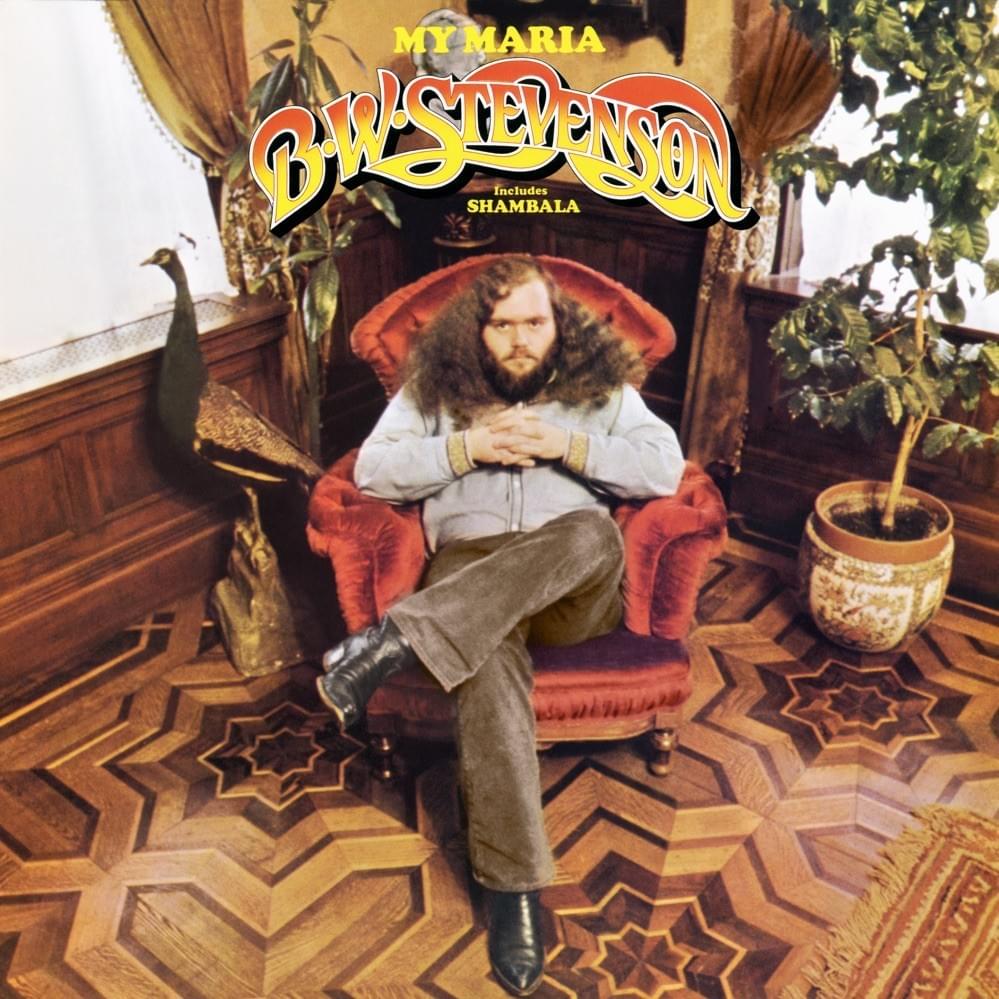
 View Artist