Song Meaning
The lyrics paint a stark, disorienting picture of a final, destructive visit to Wichita. The repeated phrase "Wiped-out wasted Wichita" immediately sets a tone of exhaustion and self-destruction, suggesting a deep personal turmoil tied to this specific location. The narrator seems to be recounting a past event with a mix of regret and a strange detachment, noting "The last time I'm in Wichita / I did not give a damn." This initial apathy, however, begins to fray as the memory intensifies.
The central tension lies in the narrator's struggle with their own actions and their perception of self, particularly after a "wasted" experience. The imagery of a "scab" on their backside and "Indian souls of mine" being "wiped out" points to profound self-inflicted damage, both physical and spiritual. The cathedral, a symbol of sanctuary or higher power, is invoked not for solace but as a silent witness, perhaps even complicit in the narrator's downfall: "Cathedral probably know." This juxtaposition of sacred space with personal ruin is unsettling.
The most striking craft element is the relentless repetition of "Wiped-out wasted Wichita" and "Last time I'm in Wichita," which mimics the cyclical nature of destructive behavior or the obsessive loop of a painful memory. The sudden, almost surreal image of "The crow he lost his caw" and the narrator's "poor dog just went blind" escalate the sense of cosmic wrongness and collateral damage caused by their state. These non-sequitur-like details amplify the feeling of a world unraveling alongside the narrator's psyche.
Ultimately, these lyrics resonate because they capture a raw, unfiltered descent into self-annihilation, where even the familiar landmarks become imbued with a sense of decay. The narrator's inability to articulate the "deeds I cannot say" and the ultimate need to "walk away" underscore a profound sense of shame and the devastating consequences of their choices. The writing doesn't offer easy answers but instead immerses the listener in the disarray and the lingering, haunting presence of a place that has become synonymous with ruin.
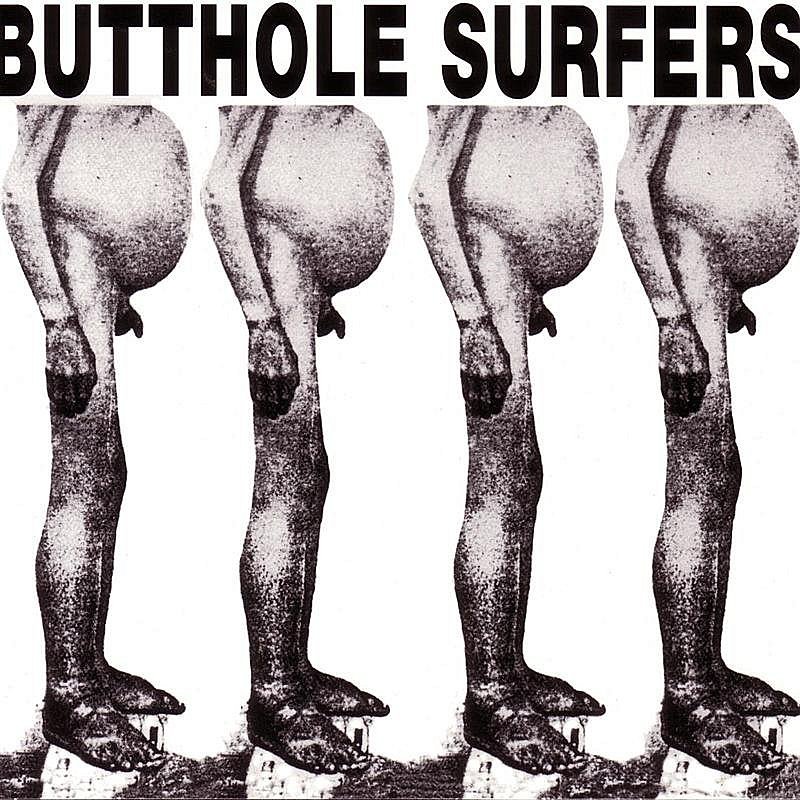
 View Artist