Song Meaning
The lyrics paint a disorienting picture of a sudden, overwhelming event that fractures the narrator's perception of reality. There's a palpable sense of confusion and loss of control, as if the external world has invaded and shattered the internal one. The opening lines immediately establish this disconnect, with the sky becoming obscured and a disturbing separation occurring between body and mind, a state visually confirmed in someone's eyes.
The central tension lies in this involuntary fragmentation. The narrator grapples with incomprehensible sensory input – "cones and rods and bars and arrows," "dots and dashing eyes" – that seem to bombard them relentlessly. This imagery suggests a breakdown in how the world is processed, a visual and mental overload that feels invasive, even entering "my mouth and out." The repetition of "I don't know" underscores a profound helplessness.
The most striking aspect is the transformation of the sky from something vast and open to an obscured barrier, "covered up" and then replaced by "glass." This shift mirrors the narrator's own shattered state, where their "body and my face got shattered." The external invasion has led to an internal collapse, leaving the narrator questioning their own coherence and hoping for some form of wholeness in death.
This lyrical construction is effective because it externalizes a profound internal crisis. The abstract descriptions of sensory overload and the physical shattering create a visceral sense of disorientation and vulnerability. The final plea, "I hope I'm together when I die," is a desperate anchor in the face of complete dissolution, highlighting the raw fear of losing oneself entirely.
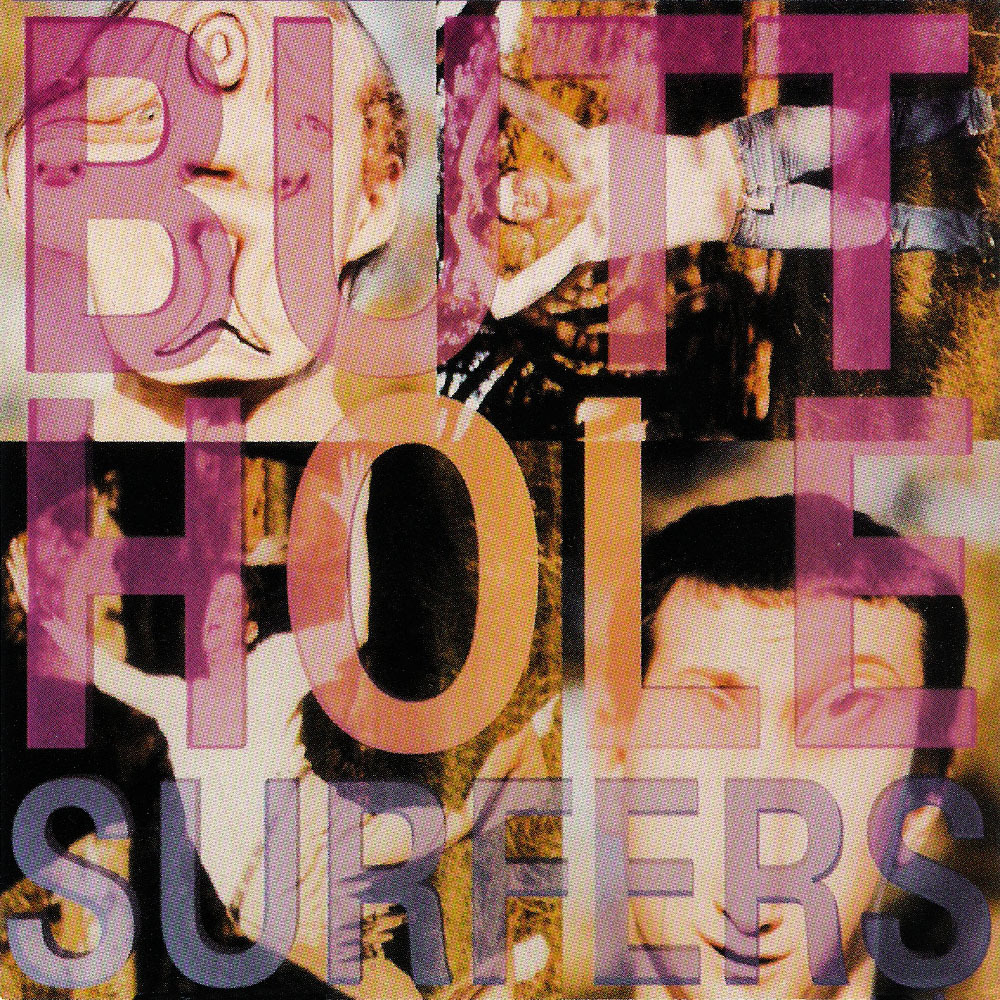
 View Artist