Song Meaning
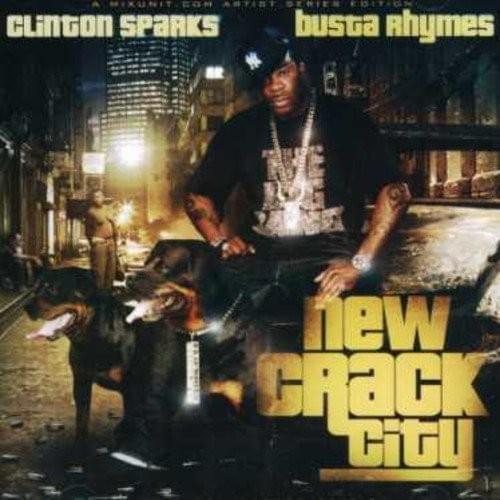
Busta Rhymes' "Field Trip (Poly Bridge 3 Version)" isn't a jaunty school outing; it's a harrowing descent into the inferno of "New Crack City." The title's playful irony only sharpens the lyrical blade, forcing a confrontation with urban decay. This isn't reportage; it's a visceral portrait of a society devoured by its own demons. Rhymes paints a landscape saturated with violence, where "evil lurks around every corner," and the social fabric has completely disintegrated. The "field trip" becomes a macabre tour of a place where survival is a daily battle. The psychological impact lies in the forced empathy, making the listener an unwilling witness to this urban nightmare. Rhymes doesn't offer solutions; he presents a stark, unblinking view of consequences. The repeated invocation to "get familiar, bitch!" isn't just aggressive posturing. It's a challenge – a dare to acknowledge the uncomfortable realities that exist beyond the listener's potentially sheltered existence.
The song's power resides in its unflinching portrayal of systemic breakdown. It's a city ruled by "anarchy," where traditional social structures have collapsed, leaving behind a wasteland of desperation. The lyrics don't shy away from detailing the grim realities of drug dealing and prostitution as "common occupations," highlighting the economic despair that fuels the cycle of violence. The phrase "no mercy for the weak" underscores the brutal Darwinian struggle at play. Rhymes isn't just describing a place; he's dissecting the psychological impact of living in constant fear and scarcity. The listener is left to grapple with the implications of such a complete societal collapse.
Ultimately, "Field Trip (Poly Bridge 3 Version)" functions as a brutal social commentary, using hyperbole to expose the vulnerabilities within urban centers. While the specific context of "New Crack City" might evoke a particular era or location, the underlying themes of societal neglect, economic disparity, and the resulting violence remain chillingly relevant. The song's meaning is not just in its depiction of a dystopian landscape, but also in its challenge to the listener to confront the uncomfortable truths about the world we inhabit. It's a sonic slap in the face, designed to provoke thought and, perhaps, inspire action. The forced familiarity becomes a call to awareness, a refusal to let the horrors of "New Crack City" remain invisible.
 View Artist