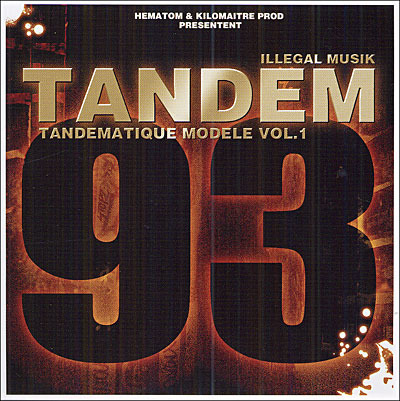
Song Meaning
The narrator paints a grim picture of urban life, where anger simmers on harsh concrete and the streets are a dangerous territory. There's a palpable sense of struggle and a cynical view of ambition, framing the pursuit of wealth as a path to spiritual ruin. The imagery of 'sharks in the grayness' and 'traps on the asphalt' underscores a constant, predatory threat lurking beneath the surface of everyday existence.
The dominant tension arises from a feeling of being trapped in a cycle of aggression and despair. The lyrics question the futility of hard work when faced with systemic oppression and the fear of challenging the established order. This internal conflict fuels a raw, almost desperate plea for divine intervention, seeking solace and protection from a higher power amidst the chaos.
The craft here is stark and visceral. The narrator uses sharp, almost brutal imagery to convey the harsh realities of his environment. Phrases like 'rougis de colère' (blush with anger) and 'goût d'une âme perdue' (taste of a lost soul) create a potent emotional landscape. The contrast between the 'rigorous cement' and the 'bitumen riddled with traps' highlights the unforgiving nature of the setting.
This writing hits hard because it doesn't shy away from the ugliness of its subject matter. It grounds its emotional weight in concrete, sensory details, making the narrator's frustration and fear feel immediate and earned. The final lines, a prayer for reassurance, offer a glimpse of vulnerability that makes the preceding aggression all the more impactful.