Song Meaning
These lyrics paint a picture of a world in turmoil, a primordial conflict that shakes the very foundations of the divine. The opening lines suggest a violent act by Óðinn, casting something into the folk, initiating the first great war. This act shatters the defenses of the gods' city, leaving even the wise seers unable to predict the outcome, a stark image of chaos overwhelming order.
The central tension arises as the gods convene to determine the cause of this disruption. They question who has poisoned the air or if a giant's lineage has corrupted the "Óðs mey" (a maiden associated with Óðinn, possibly a goddess). This divine council, "rökstóla," signifies a moment of judgment and investigation into the source of this deep-seated corruption.
A striking element is the portrayal of Þórr, depicted as rarely sitting still, enraged by the news and the broken oaths and vows. The text emphasizes that "Mál öll meginlig" (all important matters) were compromised, highlighting a profound betrayal or breakdown in the divine pacts. This fury underscores the severity of the situation and Þórr's role as a protector whose trust has been violated.
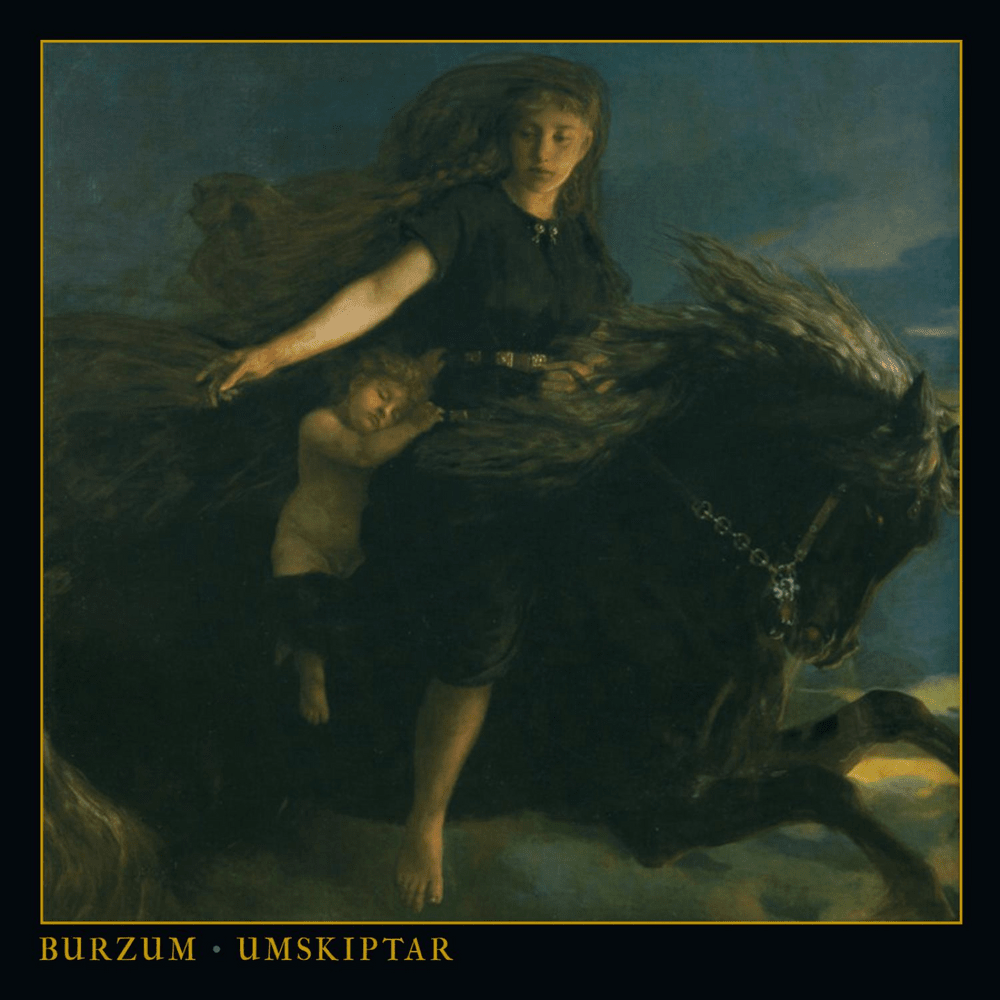
The lyrics then shift focus to a solitary female figure, "hon," who sits outside. She is aware of Heimdallr's horn and experiences a cleansing "aurgum forsi" (foul waterfall) from "Valföðr's" (Óðinn's) treasure. This suggests a purification or a foreknowledge of events, culminating in her direct confrontation with the "old one," Yggjungr of the Æsir (Óðinn). Her defiant questions, "Hvers fregnið mik? Hví freistið mín?" (Why do you ask me? Why do you test me?), reveal a deep, almost cosmic knowledge, including Óðinn's sacrifice of an eye in Mímisbrunnr. The repeated refrain, "Vituð ér enn - eða hvat?" (Do you know yet - or what?), serves as a taunt, implying the gods' ignorance compared to her profound, perhaps divinely-given, insight into the unfolding Æra.
 View Artist