Song Meaning
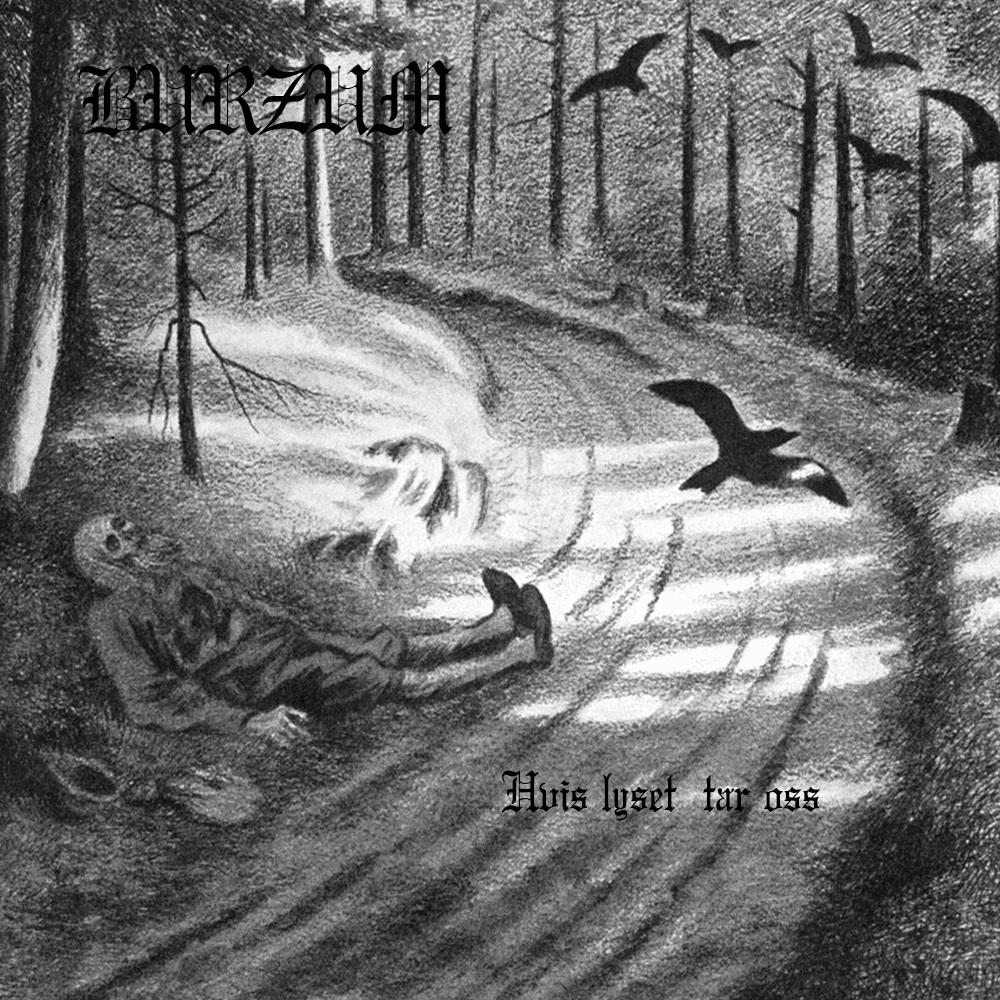
The lyrics paint a stark picture of entrapment within a seemingly divine space. Initially, there's a vision of a forest clearing where sunlight breaks through, but this beauty is immediately undercut by the realization that the trees create a trap. The narrator feels caught, not liberated, within this "god's opening," suggesting a spiritual or existential confinement disguised as enlightenment.
The core tension arises from the paradoxical experience of divine light. Instead of warmth or salvation, the light "burns" and "stings," consuming flesh. This intense, destructive illumination transforms the body into smoke, a fleeting "cloud of our form." It's a terrifying inversion where divine presence leads to annihilation rather than transcendence.
The final stanza solidifies this sense of damnation. The narrator is "caught by the funeral," experiencing a perverse "Pentecost" of divine goodness that offers no solace. The absence of "flames" or "hate" is chillingly ironic; the true hell isn't fiery torment but a cold, indifferent judgment where the narrator admits, "they were right, we came to hell."
This lyrical descent is effective through its stark, visceral imagery and its subversion of religious iconography. The contrast between the initial serene image of the forest and the ultimate experience of consuming light and spiritual desolation creates a powerful sense of dread. The final, resigned acceptance of hell as a consequence of divine indifference is particularly haunting.
 View Artist