Song Meaning
The narrator expresses a strong desire to connect, repeatedly stating "I'd love to talk" and "I'd like to chat." However, this desire is immediately undercut by a series of self-imposed barriers. The urgency of being "running awfully late" and "unning out of time" creates a surface-level excuse, but the core issue seems to be a deeper inability to communicate effectively, as the lyrics confess "I can't communicate" and "eloquence is not mine."
The central tension lies between the expressed wish for social interaction and the internal obstacles preventing it. The repeated deferral of conversation to "another time" and "another day" highlights a pattern of avoidance. This isn't just about being busy; it's about a perceived lack of skill or capacity for genuine exchange. The narrator seems to be caught in a loop of wanting to reach out but feeling fundamentally unequipped to do so.
The most striking aspect is the stark contrast between the outward desire and the inward retreat. The final stanza reveals the narrator's coping mechanism: finding solace and enjoyment "Playing freely in my mind" and having "a damn good time at home... Alone." This suggests that while the idea of talking is appealing, the reality is too daunting, leading to a preference for solitary, internal experiences where communication is effortless and judgment-free.
This lyrical construction effectively captures the bittersweet feeling of social anxiety or introversion. The repeated, almost pleading "I'd love to talk" makes the subsequent excuses and the final retreat into solitude feel poignant. It’s the internal conflict between wanting connection and fearing the effort or vulnerability involved that makes these simple lines resonate.
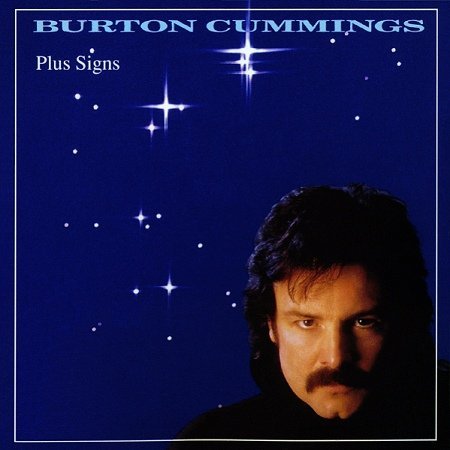
 View Artist