Song Meaning
The lyrics paint a stark picture of a North American landscape increasingly defined by violence and exploitation. The repeated "Guns, guns, guns" acts as a grim refrain, underscoring a pervasive culture of aggression. It's not just about hunting; the lines "Run, take the money, here's a bullet for your boyfriend" suggest a transactional, almost casual approach to lethal force, where violence is a tool for control or even a perverse form of currency. The imagery shifts from the hunter to a more abstract, almost game-like conflict, with "You be the Red King, I'll be the yellow pawn," hinting at strategic, perhaps destructive, power dynamics.
The central tension lies in the juxtaposition of this aggressive, destructive force with a lament for vanishing nature. The narrator observes "Eagle all gone and no more caribou," a poignant elegy for a wild world being systematically depleted. This loss is directly linked to the proliferation of "guns," implying that the very tools of dominance are also instruments of ecological ruin. The repeated plea, "God speed Mother Nature / Never really wanted to say goodbye," feels like a desperate, almost futile farewell to a natural world that is being irrevocably altered or destroyed by human actions.
The craft here is in the unsettling blend of the mundane and the catastrophic. The casual mention of "cost you half a buck now" for shooting prey, and the bizarre incentive "Babe give you kisses if you hit a rubber duck now," normalizes destructive acts. This normalization makes the subsequent ecological loss and the implied interpersonal violence even more jarring. The lyrics don't just describe a problem; they embed it in a disturbing, almost detached, transactional logic that mirrors the very exploitation it critiques.
Ultimately, these lyrics resonate because they capture a chilling sense of loss and a disturbing normalization of violence. The specific, almost detached observations about "guns" and their consequences, coupled with the mournful address to "Mother Nature," create a powerful, unsettling commentary. It's the way the writing forces you to connect the casual brutality with the vanishing wild that makes the message hit so hard, leaving a lingering sense of unease about the direction of things.
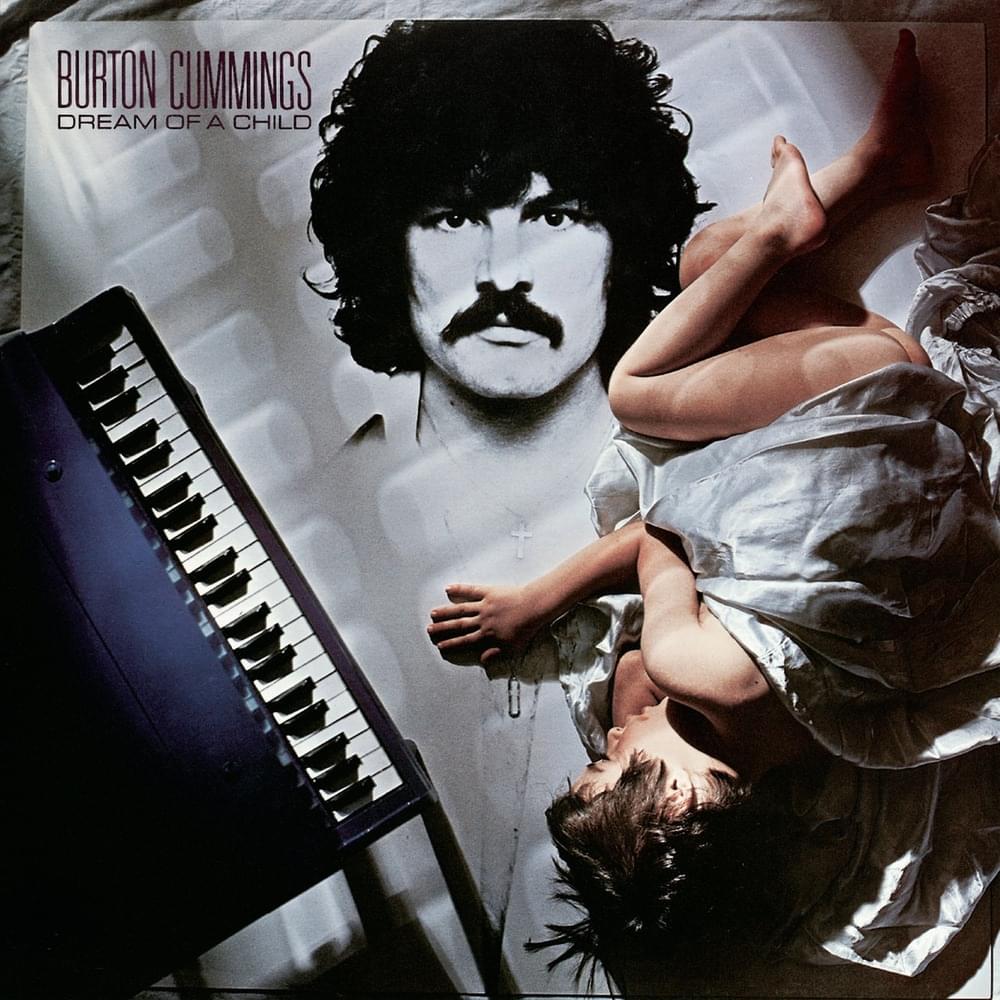
 View Artist