Song Meaning
The song opens with a writer, deep in the pre-dawn hours, crafting a story about "you and I." This narrative is explicitly built from literary touchstones – "The Spider's Thread," "Rashomon," "The Outcasts," "Run, Melos" – interwoven with the narrator's own relationship. The initial tone is one of intense, almost desperate creation, where the act of writing itself is an attempt to define a shared existence that lacks a name, echoing the famous opening line of Kobo Abe's "The Woman in the Next Room." The narrator is wrestling with a past marked by "shame."
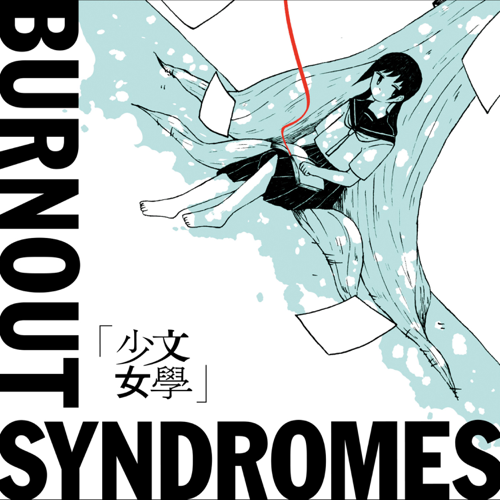
The central tension emerges as the lyrics shift focus to a "girl" who finds solace and strength in novels, reading them instead of attending class. This girl, seemingly the muse or subject of the narrator's story, begins to transform, learning from literature how to fight, turning "words into swords" and "silence into a shield." The narrator's own creative process becomes a battleground, repeatedly rewriting a world that the subject might mock as "full of lies." The desperate plea that the final line, "That bruise on your wrist was so beautiful," be understood only by her, suggests a deeply personal, perhaps painful, shared experience.
The most striking craft element is the constant interweaving of literary allusions with intensely personal, often melancholic, imagery. The narrator lists more classic Japanese and international works – "Lemon," "The Setting Sun," "Kappa," "Kokoro," "Light and Shadow," "Night Flight," "Night on the Galactic Railroad" – alongside fragmented memories of a shared "youth" that feels "close to transparent blue." This juxtaposition elevates the personal narrative, framing it within a grand tradition of storytelling while simultaneously emphasizing its unique, fragile nature. The repeated phrase "countless times, countless times rewritten" underscores the labor and emotional investment in shaping this narrative.
Ultimately, the lyrics suggest that the act of writing, of transforming personal pain and desire into story, is a redemptive act. The narrator posits that even "loneliness" and "suicidal ideation" can become "literature" for the subject. The song concludes with a hopeful, albeit fragile, call to believe in and write a "happy ending" together, recognizing the singular value of each life's "story," even as the haunting final line about the "bruise" lingers, a testament to the complex beauty found within suffering.
 View Artist