Song Meaning
The narrator opens with a weary declaration of fundamental disagreement, a stark "I'm sorry we just don't get along." This isn't about a minor spat; it's a deep-seated conviction that their perspective is the correct one, a self-assured stance where "It's someone's fault and I know it's not me." The tone is one of frustrated righteousness, a feeling of being misunderstood by a world that refuses to align with their vision of how things "should be."
This frustration stems from a perceived societal disconnect. The narrator acknowledges understanding "the rules of society" and "the game," yet chooses not to participate, preferring to "stick to what I think is right." This creates a central tension: a desire for external validation and understanding ("How can I find a way to make 'em see") clashing with a stubborn adherence to their own internal compass, even if it means "don't give up the fight" without a clear path to victory.
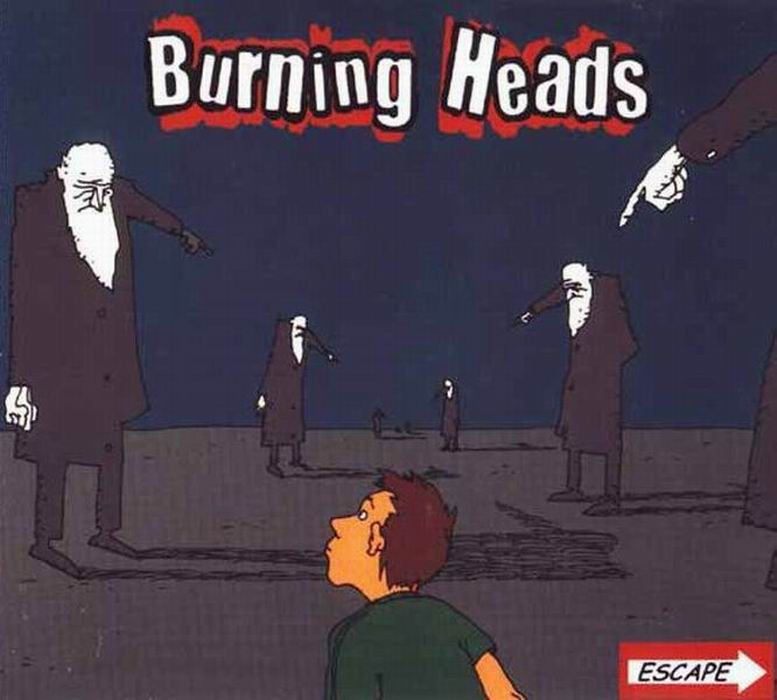
The most striking element is the repeated, almost desperate plea, "Why can't everybody be like me." This isn't just a rhetorical question; it’s the core of the narrator's isolation. The introduction of "sos" at the end, echoing the phrase "It's the same old talk," transforms the familiar complaint into a cry for help, a signal of distress from someone trapped in their own unshakeable certainty. It suggests that beneath the defiant exterior lies a profound loneliness and a desperate wish for connection, even if that connection requires others to fundamentally change.
Ultimately, the lyrics resonate because they capture the universal sting of feeling unheard and the internal conflict of holding firm to one's beliefs while yearning for acceptance. The narrator's unwavering conviction, coupled with the subtle hint of desperation in the repeated "sos," paints a vivid picture of someone convinced of their own rightness, yet profoundly isolated by it. The craft lies in the simple, direct language that builds to a powerful, almost pathetic, final plea.
 View Artist