Song Meaning
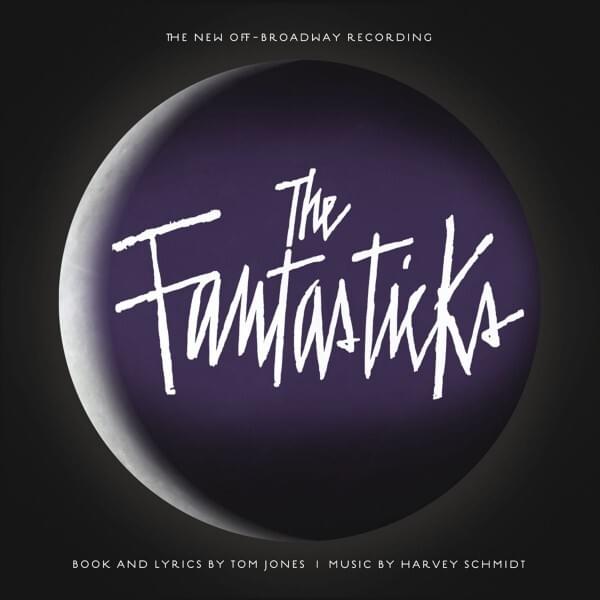
The lyrics paint a picture of a theatrical, perhaps even illusory, reality where the moon itself is a flimsy prop. This "cardboard" moon, "fragile" and "apt to fray," immediately sets a tone of artifice and impermanence. What felt beautiful or profound last night, the "scenic," can quickly become jaded or cynical by morning, highlighting a stark contrast between fleeting perception and a more enduring, perhaps harsher, truth.
The central tension lies in the rejection of a romanticized, storybook ending. The narrator pushes back against the notion that life concludes with a "moonlit night," asserting that "the night is only half the day." This suggests a refusal to accept superficial beauty or premature closure, implying that true completion requires facing more difficult, transformative experiences.
The most striking craft element is the extended metaphor of a play that is never truly finished. The repetition of "The play's not done" and "the play is never done" emphasizes this ongoing, unfinished nature. The shift from the artificial "moonlit night" to the raw, transformative power of the "sun" signifies a move from illusion to reality, from passive observation to active participation and growth.
These lyrics resonate because they capture a universal feeling of disillusionment with easy answers and the desire for authentic experience. The writing skillfully uses the theatrical imagery to critique superficiality, urging a deeper engagement with life's challenges. The final image of being "burned a bit / And burnished by—the sun!" offers a powerful, earned sense of resolution, suggesting that true completion comes through hardship and transformation, ultimately, growth.
 View Artist