Song Meaning
This track paints a picture of internal turmoil, a simmering rage that feels both consuming and strangely distant. The narrator describes a "cold fire" that "burns in me," a paradox suggesting a desire that's simultaneously intense and suppressed. This internal conflict manifests as a deep anger, described as burning "higher, in my head," yet also "frozen in my brain." It’s a state of being where emotions are present but seemingly inaccessible or unexpressed, creating a sense of being trapped.
The core tension lies in this duality: the "cold fire" represents a powerful, destructive force that the narrator feels is "damned in black" and externalized as a "liar." This internal war is further complicated by the realization that "not all we see" is real, blurring the lines between the "real world" and a dreamlike state. The narrator's soul is caught "in the middle of the war, / Among the honest and the evil," indicating a struggle with moral ambiguity or external pressures that fuel this inner conflict.
The most striking aspect of the writing is the persistent use of the "cold fire" metaphor to articulate this paradox. It’s a potent image that captures the feeling of intense emotion that doesn't provide warmth or release, instead leading to an "icy breath" and a sense of expiring. The lyrics describe a body "out of control" and "nerves at the end," with a "sorrow in my brain" that "makes me insane," highlighting the debilitating effect of this unquenchable, yet paradoxically cold, internal blaze.
Ultimately, the effectiveness of these lyrics stems from their unflinching portrayal of a specific kind of psychological distress. The narrator isn't just angry; they are wrestling with an emotion that feels both alien and all-consuming, a "fire" that "nobody can quench." This inability to fight back against the "sorrow" and the feeling of impending "detonation" creates a visceral sense of desperation and helplessness that resonates deeply.
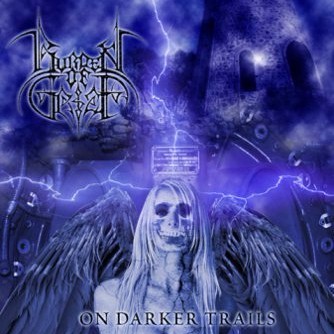
 View Artist