Ella
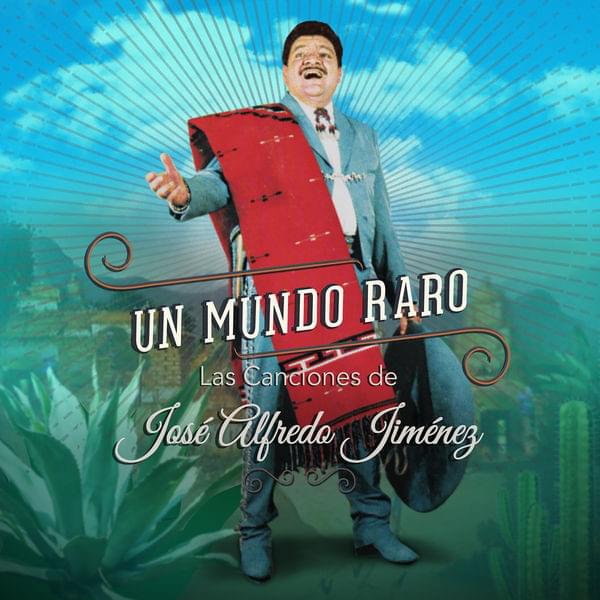
 View Artist
Lyrics
Language:
Me canse de rogarle, me canse de decirle Que yo sin ella de pena muero Ya no quiso escucharme, si sus labios se abrieron Fue pa' decirme: "ya no te quiero" Yo sentí que mi vida se perdía en un abismo Profundo y negro como mi suerte Quise hallar el olvido al estilo Jalisco Pero aquellos mariachis y aquel tequila me hicieron llorar Me canse de rogarle. Con el llanto en mis ojos Alcé mi copa y brinde por ella No podía despreciarme Era el ultimo brindis de un bohemio con una reina Los mariachis callaron De mi mano sin fuerza cayo mi copa Sin darme cuenta Ella quiso quedarse cuando vio mi tristeza Pero ya estaba escrito que aquella noche perdiera su amor
Rate this song
0/5.0 - 0 Ratings
5
0.0% (0)
4
0.0% (0)
3
0.0% (0)
2
0.0% (0)
1
0.0% (0)
Loading comments...
Credits
- Writers
- José Alfredo Jiménez