Song Meaning
The lyrics paint a stark picture of a solitary figure, "the boxer," training on a deserted beach. The opening lines immediately establish a visual: "Vuelve la mirada y dime que ves / Eres el boxeador entrenando en la playa." This isn't a grand arena, but a desolate, windswept coast. The dominant tone is one of grim determination mixed with isolation, as the boxer throws punches at empty air, a practice that seems both futile and necessary.
The central tension lies in the contrast between the boxer's fierce training and the harsh indifference of his environment. While he's learned to "esquivar un ataque," the winter beach offers no comfort or audience; "nadie baja a ver el mar." Even the natural world, the seagulls, "no permiten que te acerques a ellas," reinforcing his solitude. This isolation amplifies the internal struggle, suggesting a fight against unseen forces or perhaps against his own despair.
The writing cleverly uses boxing and natural imagery to create a unique metaphor for resilience. The repeated mantra, "Golpea mejor quien golpea primero / Levántante antes de que cuente hasta diez," is a direct call to action, echoing the urgency of a fight. Yet, the unexpected comparison of breaking waves to a "ritmo de vals" and the assertion that "El boxeador debe ser un buen bailarín" introduces a surprising fluidity. It suggests that survival isn't just about brute force, but also about grace, rhythm, and adapting to the unpredictable cadence of life's challenges.
This lyrical construction is effective because it grounds abstract struggle in concrete, evocative imagery. The raw, almost brutal, exhortation to "Cánsate o muérete, no te pares ahora" is juxtaposed with the almost spiritual plea for protection from "La virgen de guadalupe." This blend of harsh reality and faint hope, of physical exertion and spiritual appeal, creates a powerful emotional resonance. The lyrics don't offer easy answers, but rather capture the grueling, lonely, and often desperate fight for self-preservation.
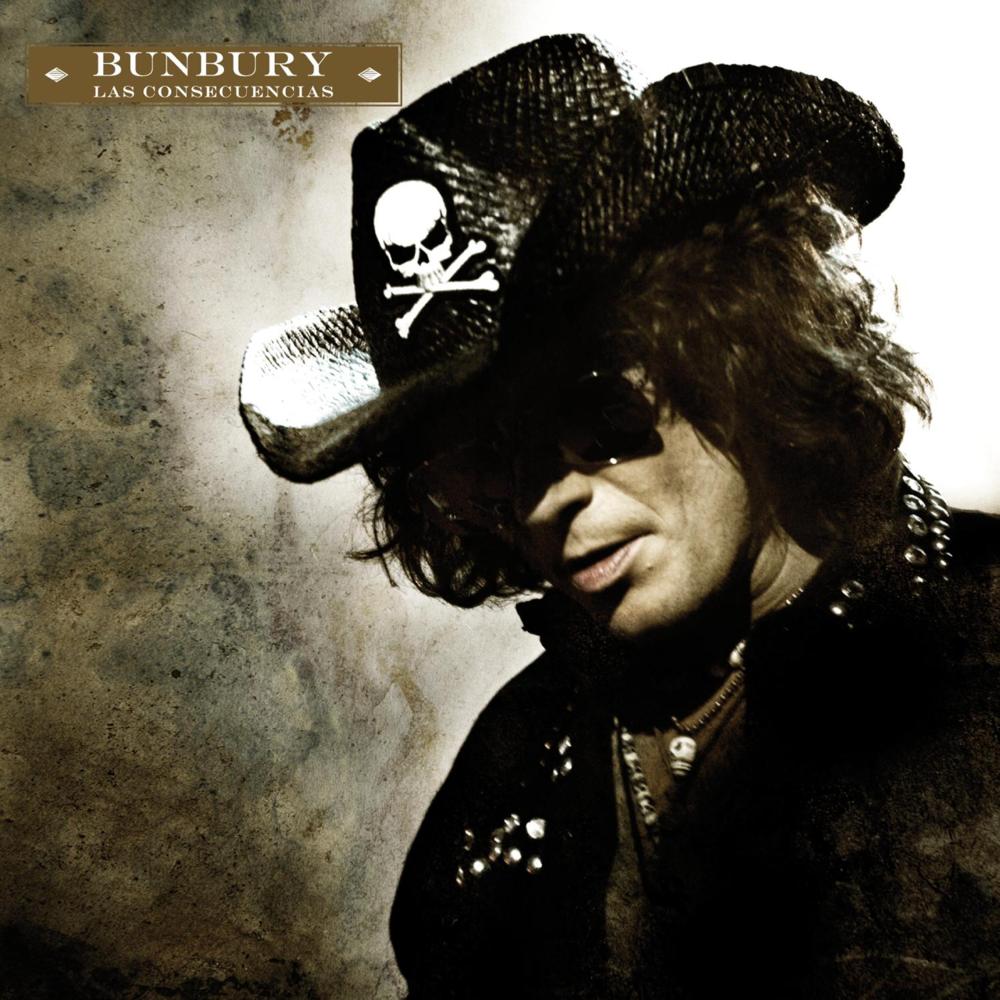
 View Artist