Song Meaning
The narrator paints a picture of profound disorientation and disillusionment, a constant state of searching for solace that remains just out of reach. They're "losing trains in the rain," a potent image of missed opportunities and being caught in a downpour of misfortune. The only ones waiting are strangers, highlighting a deep sense of isolation and a lack of genuine connection. This feeling is amplified by a rejection of superficial promises, as the narrator "no longer believes in ads for happiness," suggesting a weariness with manufactured joy.
The core tension lies in the relentless internal questioning and the struggle against a past that feels inescapable. The lyrics reveal a mind grappling with persistent, repetitive thoughts, where "memory is a magician's leftover," implying it's a trickster, conjuring illusions or disappearing when needed. The inversion of direction, with "the south is my north," further underscores this sense of being lost, of familiar guides failing.
A striking juxtaposition appears between sacred imagery and raw, earthly desires. The invocation of the "Virgin of the Rosary, patroness of the sea" and a "paradise lost somewhere" clashes with the more visceral "contraband of love" and the deeply personal, almost primal, "attic of childhood and spark plugs for pain." This suggests a yearning for transcendence or comfort that is constantly being pulled back down to earth by more complex, perhaps even painful, realities.
Ultimately, the lyrics convey a sense of resigned melancholy and a preference for observing others' joy from a distance. The narrator feels simultaneously loved and destroyed, facing a choice between "windows or mirrors, broken or open." The admission of "the helpless need for marital love" followed by the preference for others to "have fun and enjoy themselves" reveals a profound weariness and a withdrawal from the very connections they seem to crave, finding a strange peace in detachment.
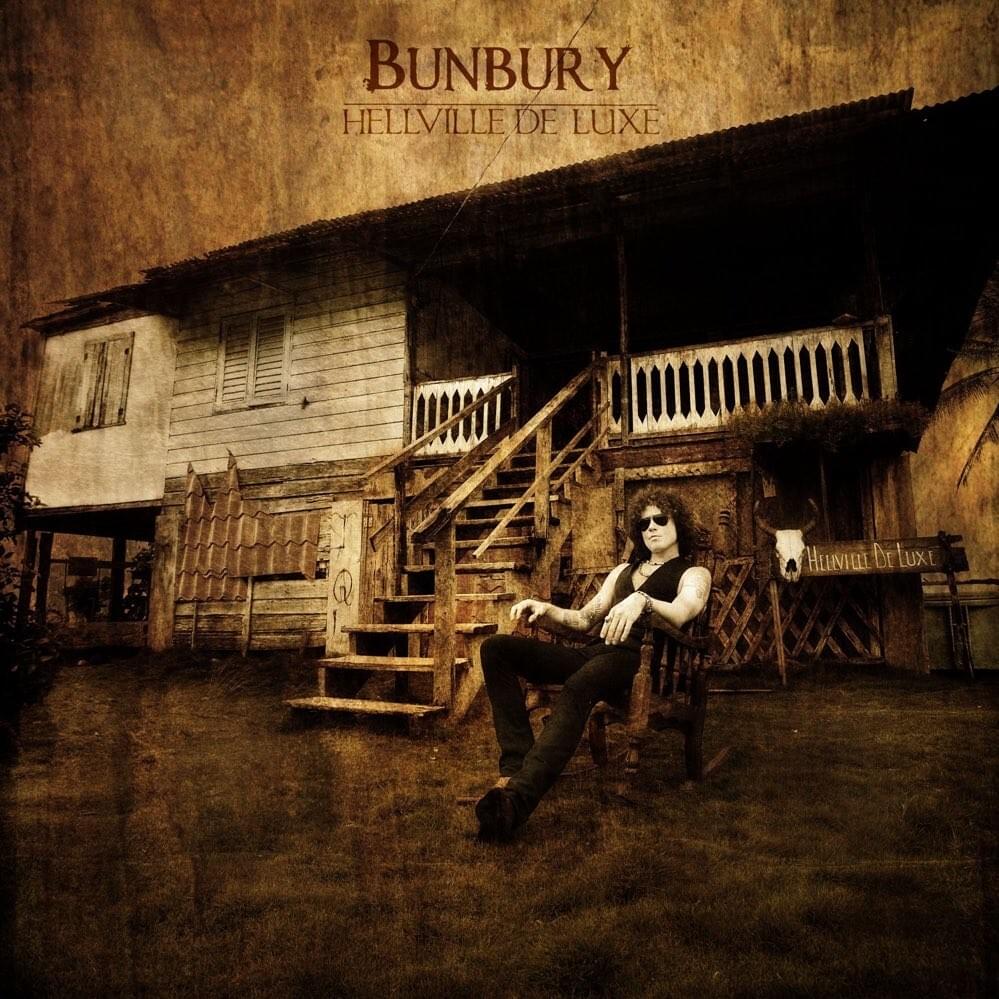
 View Artist