Song Meaning
These lyrics plunge the listener into a stark landscape of misfortune and deep regret. The narrator immediately declares, "My fate is black, black," setting an unsparing tone of personal doom. This opening line establishes a profound sense of inescapable sorrow, a feeling amplified by the repeated lament, "Alas, alas, alas, oh."
A central tension emerges between external blame and profound self-reproach. The narrator accuses a beloved of inflicting immense pain, stating, "You burned, burned, burned my heart to hellfire." Yet, this accusation quickly gives way to the powerful, self-incriminating refrain: "I did it myself, I found it myself." This repeated admission suggests a complex internal struggle, where the narrator acknowledges their own role in their suffering, even as they feel the sting of another's perceived indifference.
The craft here relies heavily on repetition and vivid, yet simple, imagery to convey overwhelming emotion. The fourfold repetition of "I did it myself, I found it myself" in each chorus hammers home the weight of self-blame, making it feel inescapable. The metaphor of withering "like a rose" paints a clear picture of lost vitality and decay, a poignant visual for the narrator's emotional state. The beloved's perceived coldness, never smiling "even once," further isolates the narrator in their grief.
What makes these lyrics so effective is their raw, unfiltered honesty. The sudden, almost primal cry, "Oh, mother, oh, oh," breaks through the structured lament, offering a moment of profound vulnerability and a universal plea for comfort. This direct appeal, coupled with the relentless self-blame and vivid imagery of a heart consumed by fire and a life fading like a rose, creates a deeply affecting portrait of sorrow and regret that resonates with immediate emotional impact.
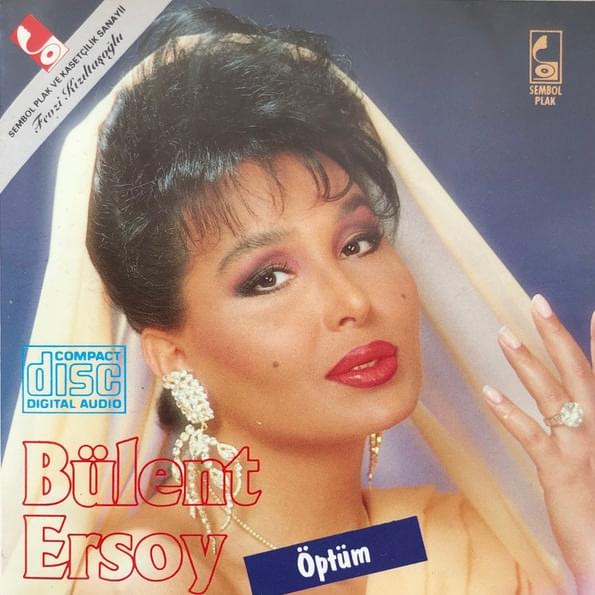
 View Artist