Song Meaning
The lyrics paint a stark picture of a man trapped far from home, emphasizing his isolation and longing. The repeated phrase "Poor boy a long way from home" immediately establishes a tone of deep melancholy and displacement. This isn't just a physical distance; the narrator explicitly states, "I don't have no happy home to go home to," suggesting a troubled past or present situation that makes his absence from home a complex burden, not a simple escape.
The central tension arises from the narrator's separation from his "baby" and the child's innocent question, "Daddy, when you comin' back home?" This adds a layer of guilt and responsibility to his plight. He's not just physically stuck; he's emotionally tethered to a family he cannot reach, especially with the heartbreaking admission, "I don't have no one to come and go my bail." His confinement, implied by being "down here on the farm," prevents him from returning, amplifying his despair.
The most poignant craft element is the ironic use of "long distance phone." The narrator is physically capable of making a call, but the system or his circumstances prevent him from truly connecting: "Sorry, baby I can't call you over the phone / 'Cause they got me down here long distance phone / But I can't call you baby over the phone." This highlights a profound disconnect, where the technology exists but the ability to use it for genuine comfort or reassurance is denied, mirroring his inability to return home.
These lyrics hit hard because they tap into the universal fear of being separated from loved ones and the helplessness that comes with it. The simple, repetitive structure and direct language convey raw emotion without pretense. The contrast between the child's innocent longing and the narrator's desperate, unfulfilled desire to return creates a powerful emotional resonance, leaving the listener with a sense of profound, unresolved sadness.
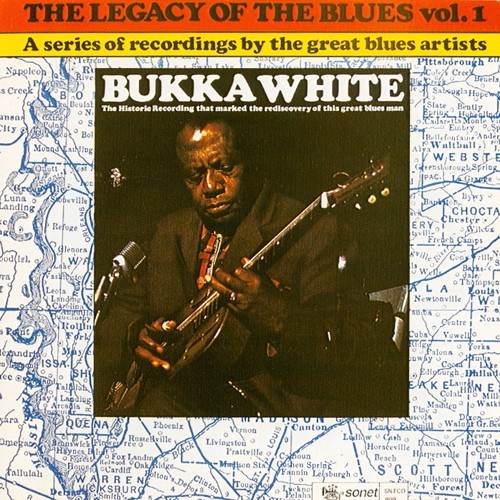
 View Artist