Song Meaning
The lyrics paint a picture of someone wrestling with a profound internal struggle, a desire for surrender versus a desperate need for self-determination. The opening verse presents docility as an easy, almost predetermined path, a way to avoid the difficult work of understanding oneself. It suggests a temptation to accept a simple, pre-packaged reality, a "clear-cut fate" offered by a "different god" that requires no genuine engagement.
This internal conflict escalates into a yearning for external validation and change, a "hundredth start" for a "change of heart." The narrator seems to be seeking an external figure, a "president to call my own," to guide them, yet simultaneously erects a barrier, stating "I'll never let you in my head." This creates a tension between the desire for leadership and the fierce, perhaps fearful, protection of their inner world, culminating in "shameful dread."
The bridge introduces a pivotal shift, hinting at the influence of another person. The repeated phrase "has no weight" suggests a feeling of insignificance or lack of impact, a sense that their actions are futile. This feeling is directly contrasted with the presence of "you," implying that this external connection might be the catalyst for challenging this perceived lack of substance.
Ultimately, the lyrics articulate a deep-seated anxiety about agency and meaning. The narrator grapples with the allure of passive acceptance versus the exhausting effort of self-discovery. The "shameful dread" appears to stem from the fear of both losing oneself in docility and the potential emptiness of their own efforts, a complex emotional knot that the presence of another seems poised to unravel.
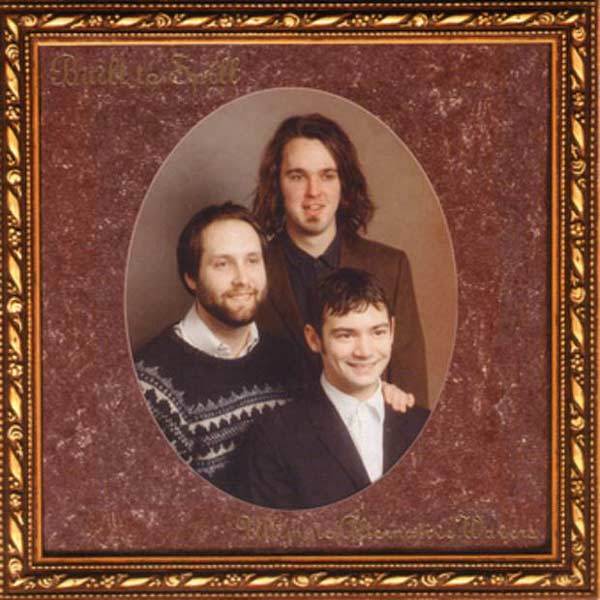
 View Artist