Song Meaning
The lyrics paint a stark picture of a past that feels both distant and unchangeable, marked by a persistent sense of coldness and dryness. Phrases like "dry lines on me" and "dry history" suggest a lack of emotional connection or perhaps a history of emotional neglect. The repetition of "No, it never will" acts as a grim refrain, emphasizing a feeling of being stuck or unable to escape a certain emotional state or past experience. This creates an immediate tone of resignation and a quiet, internal struggle.
The central tension seems to lie in the narrator's struggle with their own identity and the perception of others. The line "Hard to believe that after all this time that after all this I'm still me" points to a profound disconnect, as if the narrator expected to be fundamentally altered by their experiences. This is amplified by the observation that others only care about dreams if they involve them, suggesting a feeling of being unseen or misunderstood in their personal aspirations and inner world. The narrator appears to grapple with the desire to express themselves versus the perceived indifference of their audience.
The most striking element is the narrator's shift from a passive, almost frozen state to one of defiant, albeit hollow, self-assertion. The advice to "Tell them anyway" and "make it up / As you go" feels less like genuine encouragement and more like a coping mechanism for someone who feels they have nothing authentic left to offer. This is underscored by the chilling pronouncements "I'm already gone now" and "I'm already nothing," which suggest a complete detachment from self, a fading that others are only just noticing. The final lines, "It takes a lot to make me crazy / And a lot is always going on," offer a bleak perspective on maintaining sanity amidst constant internal turmoil.
Ultimately, the effectiveness of these lyrics stems from their unflinching portrayal of existential weariness and the quiet desperation of feeling unseen. The stark, almost clinical language, combined with the cyclical nature of the refrains and the abrupt shifts in perspective, creates a powerful sense of internal collapse. It’s the feeling of being so worn down that even self-creation feels like a performance, a made-up dream in itself.
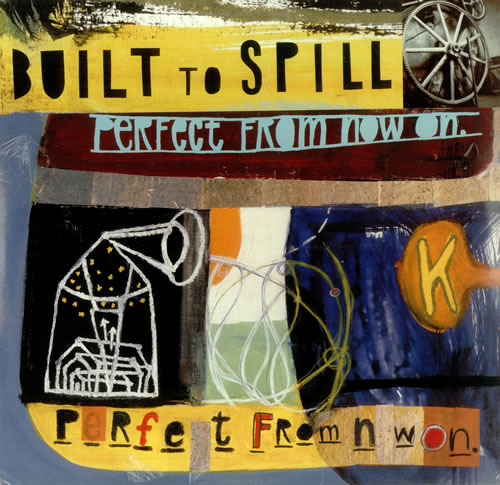
 View Artist