Song Meaning
The lyrics paint a picture of a mind struggling with clarity, where the past feels both distant and eternally present. The narrator grapples with a sense of loss or ending, noting, "Ohh man it's over." Yet, this feeling is immediately countered by a defiant assertion, "When we know there's no other way," suggesting a refusal to accept finality. The mind is described as a place where thoughts are hard to grasp, like trying to "keep it together," and where finding someone's true self requires looking past the surface. This internal confusion is juxtaposed with the enduring power of music, specifically "old songs" that "sound like they've been here forever."
The central tension arises from the conflict between a perceived end and the persistent, almost eternal, nature of shared experiences and artistic expression. The narrator acknowledges a loss of clarity, likening it to "a lightbulb went out in my head," which forces a reliance on abstract ideas rather than concrete truths. This disorientation is amplified by the feeling that "all these songs sounded like we're in this together," creating a poignant contrast between past unity and present fragmentation. The lyrics suggest a deep-seated connection to music as a constant, a place "where I'll always be tethered," even as the immediate reality feels uncertain.
A striking craft element is the recurring motif of weather and natural phenomena used to describe emotional states and communal action. The idea of forming a cloud and letting "particles" "Separate and get together, rain on down" offers a powerful image of collective experience, both in its dissolution and its re-formation. This is further emphasized by the call to "take down all the umbrellas of all of our enemies," a metaphor for confronting obstacles and embracing openness. The lyrics suggest that even amidst personal confusion and the feeling of an ending, there's a profound, almost elemental, force in shared expression and resilience.
Ultimately, the effectiveness of these lyrics lies in their ability to articulate a complex emotional landscape where doubt and certainty, endings and eternities, coexist. The narrator’s repeated, hesitant assertion, "I'm sure I'll be alright / But I don't know," captures a universal human experience of facing the unknown with a blend of hope and apprehension. By grounding these feelings in the tangible presence of music and the evocative imagery of natural forces, the song creates a resonant portrait of enduring connection amidst personal and perceived societal shifts.
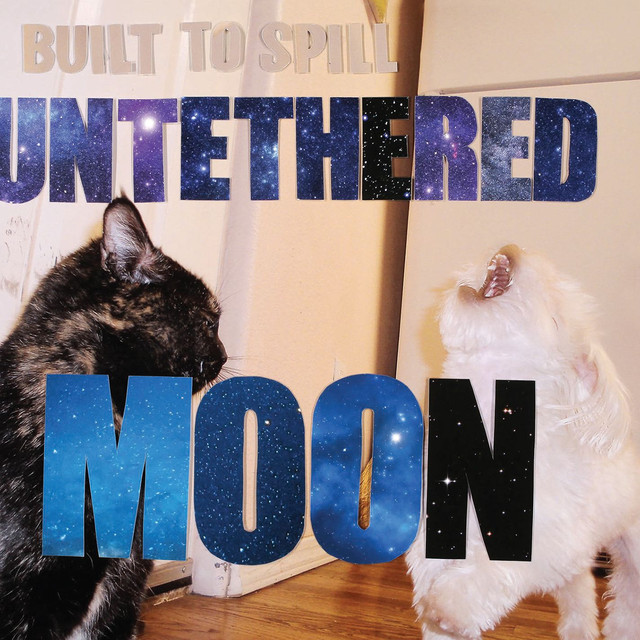
 View Artist